Ensuring the accuracy and precision of gas chromatography results is crucial for laboratories and industries relying on this analytical technique. As a leading Gas Chromatography supplier, we understand the significance of delivering reliable results. In this blog, we will explore the key factors and best practices to guarantee the accuracy and precision of gas chromatography outcomes.


Instrument Selection and Maintenance
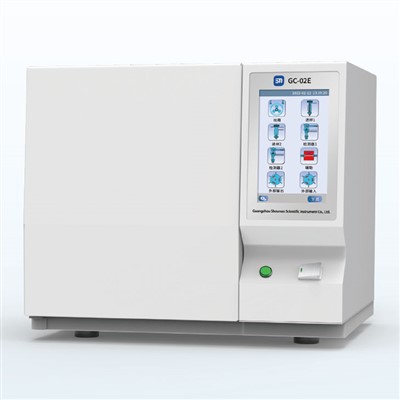
The first step in ensuring accurate and precise gas chromatography results is choosing the right instrument. Our GC-02E Gas Chromatograph offers state-of-the-art technology and features designed to enhance performance. It is equipped with advanced detectors and columns that provide high sensitivity and resolution, ensuring accurate separation and detection of analytes.
Regular maintenance of the gas chromatography instrument is also essential. This includes cleaning the injection port, changing the septum, and replacing the column when necessary. By keeping the instrument in optimal condition, we can minimize the risk of contamination and ensure consistent results. Our Chromatography Equipment is built to last, with high-quality components that require minimal maintenance.
Sample Preparation
Proper sample preparation is critical for accurate gas chromatography results. Samples should be representative of the material being analyzed and free from contaminants. The sample preparation method should be carefully selected based on the nature of the sample and the analytes of interest.
For liquid samples, dilution may be necessary to ensure that the concentration of the analytes is within the linear range of the detector. Solid samples may require extraction or derivatization to convert the analytes into a form suitable for gas chromatography analysis. Our technical support team can provide guidance on the appropriate sample preparation methods for different types of samples.
Calibration and Standardization
Calibration is an essential step in gas chromatography to ensure the accuracy of the results. Calibration involves running known standards of the analytes at different concentrations to establish a calibration curve. The calibration curve can then be used to determine the concentration of the analytes in the sample.
It is important to use high-quality standards and to perform calibration regularly to ensure the accuracy of the results. Our GC-06E Gas Chromatograph is equipped with advanced software that simplifies the calibration process and ensures accurate results.
Column Selection
The choice of column is crucial for accurate and precise gas chromatography results. Different columns have different stationary phases, which can affect the separation and retention of the analytes. The column should be selected based on the nature of the analytes and the separation requirements.
For example, a non-polar column is suitable for separating non-polar analytes, while a polar column is better for separating polar analytes. Our technical support team can help you select the appropriate column for your application.
Temperature and Flow Rate Control
Temperature and flow rate control are important factors in gas chromatography. The temperature of the column and the detector can affect the separation and retention of the analytes. The flow rate of the carrier gas can also affect the separation and retention of the analytes.
It is important to maintain a constant temperature and flow rate during the analysis to ensure consistent results. Our gas chromatography instruments are equipped with advanced temperature and flow rate control systems that ensure accurate and precise results.
Data Analysis and Interpretation
Data analysis and interpretation are essential steps in gas chromatography. The data obtained from the gas chromatography analysis should be carefully analyzed to ensure the accuracy and precision of the results. The data should be compared with the calibration curve to determine the concentration of the analytes in the sample.
It is important to use appropriate software for data analysis and interpretation. Our gas chromatography instruments are equipped with advanced software that simplifies the data analysis process and provides accurate and reliable results.
Quality Control
Quality control is an important aspect of ensuring the accuracy and precision of gas chromatography results. Quality control involves running known standards and blanks regularly to ensure the accuracy of the results. Quality control samples should be run at regular intervals to monitor the performance of the instrument and the accuracy of the results.
Our gas chromatography instruments are equipped with advanced quality control features that ensure the accuracy and precision of the results. We also offer training and support to help our customers implement effective quality control procedures.
Conclusion
Ensuring the accuracy and precision of gas chromatography results is essential for laboratories and industries relying on this analytical technique. By following the best practices outlined in this blog, you can ensure the accuracy and precision of your gas chromatography results. As a leading Gas Chromatography supplier, we are committed to providing high-quality instruments and support to help our customers achieve reliable results.
If you are interested in learning more about our gas chromatography products or have any questions, please contact us to discuss your specific needs. We look forward to working with you to meet your analytical challenges.
References
- McMaster, M. C. (2012). Gas chromatography: A practical approach. John Wiley & Sons.
- Snyder, L. R., Kirkland, J. J., & Glajch, J. L. (2010). Introduction to modern liquid chromatography. John Wiley & Sons.
- Miller, J. N., & Miller, J. C. (2010). Statistics and chemometrics for analytical chemistry. Pearson Education.