Hey there! As an OTR tester supplier, I often get asked about how we test for compliance. In this blog post, I'll share some insights into the process and why it's so important.
Understanding OTR and Compliance
First off, let's talk about what OTR is. Oxygen Transmission Rate (OTR) measures the amount of oxygen that passes through a material over a specific period. It's a crucial factor in industries like food packaging, pharmaceuticals, and electronics. For example, in food packaging, a high OTR can lead to spoilage, while in electronics, it can cause corrosion.
Compliance, on the other hand, refers to meeting certain standards and regulations. These standards are set to ensure product quality, safety, and performance. For OTR testing, compliance might involve meeting industry - specific requirements or international standards like ASTM or ISO.
The Testing Process
Sample Preparation
The first step in OTR testing is sample preparation. We carefully select the material to be tested and cut it into the appropriate size. The sample needs to be representative of the actual product. For instance, if we're testing a plastic film for food packaging, we'll take a sample from different parts of the roll to account for any variations.
Setting Up the Tester
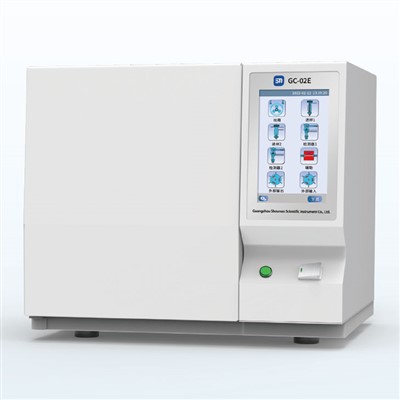
Once the sample is ready, we set up the Oxygen Transmission Rate Analyzer. This device is designed to create a controlled environment where the oxygen transmission can be accurately measured. We calibrate the analyzer according to the manufacturer's instructions to ensure accurate results.
Conducting the Test
The sample is placed in the analyzer, and the test begins. The analyzer creates a pressure difference across the sample, allowing oxygen to pass through. The amount of oxygen that passes through the sample is measured over a set period. This data is then recorded and analyzed.
Data Analysis
After the test is complete, we analyze the data. We look at the OTR value and compare it to the compliance standards. If the OTR value is within the acceptable range, the material is considered compliant. If not, further investigation is needed to determine the cause of the non - compliance.
Factors Affecting OTR Testing
Temperature and Humidity
Temperature and humidity can have a significant impact on OTR. Higher temperatures generally increase the rate of oxygen transmission, while humidity can affect the material's structure and permeability. That's why we conduct tests in a controlled environment to minimize these variables.


Material Thickness
The thickness of the material also plays a role in OTR. Thicker materials usually have a lower OTR because there is more material for the oxygen to pass through. However, this isn't always the case, as the material's composition and structure also matter.
Material Composition
Different materials have different OTR values. For example, polymers like polyethylene have different oxygen transmission rates compared to glass or metal. The additives and fillers in the material can also affect its OTR.
Why Compliance Testing is Important
Product Quality
Compliance testing ensures that the product meets the required quality standards. For example, in food packaging, a compliant OTR means that the food will stay fresh for longer, reducing waste and improving customer satisfaction.
Safety
In industries like pharmaceuticals, compliance testing is crucial for safety. A non - compliant OTR can lead to the degradation of drugs, which can have serious health consequences.
Regulatory Requirements
Many industries are subject to strict regulations regarding OTR. Failing to meet these regulations can result in fines, product recalls, and damage to the company's reputation.
Our OTR Testers
We offer a range of Oxygen Transmission Tester to meet different testing needs. Our SN - Y02E OTR Tester is a popular choice among our customers. It's easy to use, accurate, and can handle a variety of materials.
Contact Us for Procurement
If you're in the market for an OTR tester or need more information about our compliance testing services, don't hesitate to get in touch. We're here to help you find the right solution for your business. Whether you're a small startup or a large corporation, we have the expertise and products to meet your needs.
References
- ASTM International. (2023). Standard test methods for oxygen gas transmission rate through plastic film and sheeting using a coulometric sensor.
- ISO. (2023). Plastics - Film and sheeting - Determination of gas transmission rate.