As a supplier of GC Analyzers, I'm excited to delve into the diverse detection methods available in these sophisticated instruments. Gas chromatography (GC) is a powerful analytical technique used in various industries, including environmental monitoring, food and beverage testing, pharmaceutical research, and petrochemical analysis. In this blog post, I'll explore the different detection methods in a GC Analyzer, their principles, advantages, and applications.
Flame Ionization Detector (FID)
The Flame Ionization Detector (FID) is one of the most widely used detection methods in gas chromatography. It operates on the principle of ionizing organic compounds in a hydrogen-air flame. When an organic compound enters the flame, it is pyrolyzed into ions and free radicals. These ions are then collected by a pair of electrodes, generating an electrical current proportional to the concentration of the organic compound.
The FID is highly sensitive to organic compounds, with a detection limit in the range of parts per billion (ppb). It has a wide linear dynamic range, making it suitable for analyzing samples with a broad concentration range. Additionally, the FID is relatively simple to operate and maintain, making it a popular choice for routine analysis.
However, the FID has some limitations. It is not sensitive to inorganic compounds or compounds that do not contain carbon-hydrogen bonds. It also requires the use of hydrogen and air, which can be a safety concern in some laboratory environments.
Thermal Conductivity Detector (TCD)
The Thermal Conductivity Detector (TCD) is another commonly used detection method in gas chromatography. It operates on the principle of measuring the change in thermal conductivity of a carrier gas caused by the presence of a sample compound. When a sample compound enters the detector, it changes the thermal conductivity of the carrier gas, which is detected by a thermistor or a filament.


The TCD is a universal detector, meaning it can detect both organic and inorganic compounds. It has a relatively wide linear dynamic range and is suitable for analyzing samples with a high concentration of compounds. Additionally, the TCD is non-destructive, meaning the sample can be collected after analysis for further characterization.
However, the TCD has a lower sensitivity compared to other detection methods, such as the FID. It is also affected by changes in temperature and flow rate, which can require careful calibration and control.
Electron Capture Detector (ECD)
The Electron Capture Detector (ECD) is a highly sensitive detection method used in gas chromatography for analyzing compounds that contain electronegative atoms, such as chlorine, bromine, and iodine. It operates on the principle of measuring the change in the number of electrons captured by a sample compound in a radioactive source.
When a sample compound enters the detector, it captures electrons from the radioactive source, reducing the number of electrons available for ionization. This reduction in electron current is detected by a pair of electrodes, generating an electrical signal proportional to the concentration of the sample compound.
The ECD is extremely sensitive to compounds that contain electronegative atoms, with a detection limit in the range of parts per trillion (ppt). It is commonly used in environmental monitoring for analyzing pesticides, polychlorinated biphenyls (PCBs), and other pollutants.
However, the ECD has some limitations. It is selective for compounds that contain electronegative atoms, and it is not suitable for analyzing compounds that do not contain these atoms. It also requires the use of a radioactive source, which can be a safety concern in some laboratory environments.
Mass Spectrometry Detector (MSD)
The Mass Spectrometry Detector (MSD) is a powerful detection method used in gas chromatography for identifying and quantifying compounds based on their mass-to-charge ratio. It operates by ionizing the sample compounds in a high-energy electron beam and separating the ions based on their mass-to-charge ratio using a mass analyzer.
The MSD can provide detailed information about the structure and identity of the sample compounds, making it a valuable tool for research and development. It has a high sensitivity and a wide linear dynamic range, making it suitable for analyzing samples with a low concentration of compounds.
However, the MSD is a complex and expensive instrument that requires specialized training and expertise to operate. It also has a relatively low throughput compared to other detection methods, which can limit its use in high-volume analysis.
Photoionization Detector (PID)
The Photoionization Detector (PID) is a sensitive detection method used in gas chromatography for analyzing volatile organic compounds (VOCs). It operates on the principle of ionizing the sample compounds using ultraviolet (UV) light.
When a sample compound enters the detector, it absorbs UV light and is ionized into positive ions and electrons. These ions are then collected by a pair of electrodes, generating an electrical current proportional to the concentration of the sample compound.
The PID is highly sensitive to VOCs, with a detection limit in the range of parts per billion (ppb). It has a wide linear dynamic range and is suitable for analyzing samples with a low concentration of VOCs. Additionally, the PID is portable and can be used in the field for on-site analysis.
However, the PID has some limitations. It is not sensitive to compounds that do not absorb UV light, such as some inorganic compounds. It also requires the use of a UV lamp, which can have a limited lifespan and require regular replacement.
Conclusion
In conclusion, there are several different detection methods available in a GC Analyzer, each with its own advantages and limitations. The choice of detection method depends on the type of sample being analyzed, the concentration of the compounds of interest, and the specific requirements of the analysis.
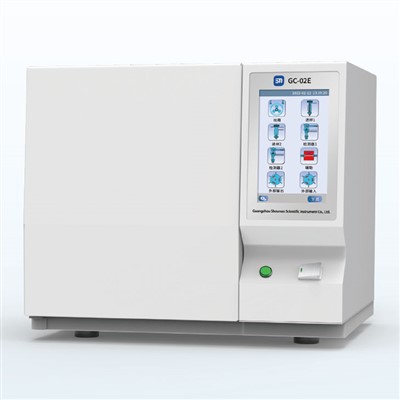
At our company, we offer a range of GC Analyzers equipped with different detection methods to meet the diverse needs of our customers. Our GC-02E Gas Chromatograph, GC-05E Gas Chromatograph, and GC-06E Gas Chromatograph are all designed to provide high-performance and reliable analysis.
If you are interested in learning more about our GC Analyzers or have any questions about the different detection methods, please contact us. Our team of experts is available to provide you with the information and support you need to make an informed decision.
References
- McMaster, M. C. (2017). Gas Chromatography Basics. Wiley-VCH.
- Snyder, L. R., Kirkland, J. J., & Glajch, J. L. (2010). Practical HPLC Method Development. Wiley-Interscience.
- Willard, H. H., Merritt, L. L., Dean, J. A., & Settle, F. A. (1988). Instrumental Methods of Analysis. Wadsworth Publishing Company.