Transferring the analysis method between different GC (Gas Chromatograph) analyzers is a crucial skill for laboratories and industries that rely on gas chromatography for various analytical tasks. As a GC Analyzer supplier, we understand the challenges and importance of seamless method transfer. In this blog, we will explore the key steps and considerations for successfully transferring analysis methods between different GC analyzers.
Understanding the Basics of GC Analysis Methods
Before delving into the method transfer process, it's essential to have a solid understanding of what a GC analysis method entails. A GC analysis method typically includes parameters such as column type, column temperature program, carrier gas flow rate, injection volume, and detector settings. These parameters are carefully optimized to achieve accurate and reproducible results for a specific set of analytes.


Why Method Transfer is Necessary
There are several reasons why laboratories may need to transfer an analysis method between different GC analyzers. One common reason is equipment upgrade or replacement. As technology advances, newer GC analyzers offer improved performance, sensitivity, and functionality. By transferring an existing method to a new analyzer, laboratories can take advantage of these benefits without having to develop a new method from scratch.
Another reason for method transfer is the need to share methods between different laboratories or departments within an organization. For example, a research laboratory may develop a method for analyzing a particular compound, and then transfer it to a quality control laboratory for routine testing. Method transfer ensures consistency and comparability of results across different locations.
Challenges in Method Transfer
Transferring an analysis method between different GC analyzers is not always straightforward. There are several challenges that need to be addressed to ensure a successful transfer. One of the main challenges is the differences in instrument hardware and software between different analyzers. These differences can affect the performance of the method and may require adjustments to the method parameters.
For example, different GC analyzers may have different column ovens, which can result in variations in temperature control and heating rates. This can affect the separation of analytes and may require adjustments to the column temperature program. Similarly, different detectors may have different sensitivities and response characteristics, which can affect the quantification of analytes and may require adjustments to the detector settings.
Another challenge in method transfer is the differences in column performance between different brands and models of columns. Even columns with the same nominal specifications may have slight differences in their stationary phase chemistry and coating thickness, which can affect the separation of analytes. Therefore, it's important to select a column that is compatible with the new analyzer and to optimize the column parameters accordingly.
Steps for Successful Method Transfer
To ensure a successful method transfer between different GC analyzers, the following steps should be followed:
Step 1: Evaluate the Compatibility of the New Analyzer
Before attempting to transfer a method, it's important to evaluate the compatibility of the new analyzer with the existing method. This includes checking the instrument specifications, such as the maximum column temperature, carrier gas flow rate, and detector types, to ensure that they are suitable for the method. It's also important to check the software compatibility and to ensure that the new analyzer can support the same data acquisition and processing functions as the old analyzer.
Step 2: Select a Compatible Column
As mentioned earlier, the column is a critical component of the GC analysis method. Therefore, it's important to select a column that is compatible with the new analyzer and to optimize the column parameters accordingly. When selecting a column, consider the following factors:
- Column dimensions: The column length, internal diameter, and film thickness should be similar to those used in the original method.
- Stationary phase chemistry: The stationary phase chemistry should be the same or similar to that used in the original method.
- Column brand and model: It's recommended to use the same brand and model of column as used in the original method to ensure consistency in performance.
Step 3: Optimize the Method Parameters
Once the new analyzer and column have been selected, the next step is to optimize the method parameters. This includes adjusting the column temperature program, carrier gas flow rate, injection volume, and detector settings to achieve the best possible separation and quantification of analytes.
To optimize the method parameters, it's recommended to start with the parameters used in the original method and to make small adjustments based on the performance of the new analyzer. For example, if the separation of analytes is poor, the column temperature program may need to be adjusted to increase the resolution. Similarly, if the detector response is low, the detector settings may need to be adjusted to increase the sensitivity.
Step 4: Validate the Transferred Method
After optimizing the method parameters, the next step is to validate the transferred method. Method validation is a critical step in ensuring the accuracy, precision, and reliability of the transferred method. The validation process typically includes the following steps:
- System suitability testing: This involves analyzing a standard solution to ensure that the system is operating properly and that the method is capable of producing reproducible results.
- Linearity testing: This involves analyzing a series of standard solutions with different concentrations to determine the linear range of the method.
- Accuracy testing: This involves analyzing a sample with a known concentration to determine the accuracy of the method.
- Precision testing: This involves analyzing multiple injections of the same sample to determine the precision of the method.
- Limit of detection (LOD) and limit of quantification (LOQ) determination: This involves analyzing a series of standard solutions with decreasing concentrations to determine the LOD and LOQ of the method.
Step 5: Document the Method Transfer Process
Finally, it's important to document the method transfer process. This includes documenting the method parameters, the optimization process, the validation results, and any changes made to the method. Documentation is essential for ensuring traceability and reproducibility of the method and for complying with regulatory requirements.
Case Studies
To illustrate the process of method transfer between different GC analyzers, let's consider two case studies.
Case Study 1: Transferring a Method from an Old GC Analyzer to a Newer Model
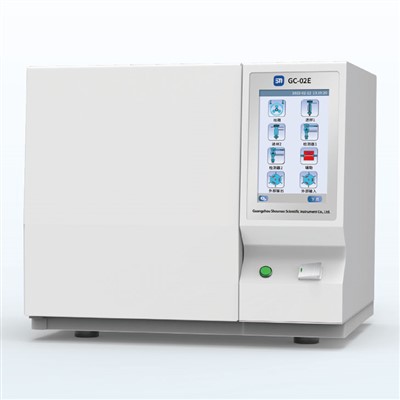
A laboratory had been using an old GC analyzer for the analysis of volatile organic compounds (VOCs) in environmental samples. The laboratory decided to upgrade to a newer model of GC analyzer, GC-02E Gas Chromatograph, to take advantage of its improved performance and functionality.
The laboratory followed the steps outlined above for method transfer. First, they evaluated the compatibility of the new analyzer with the existing method and selected a compatible column. They then optimized the method parameters, including the column temperature program, carrier gas flow rate, and detector settings, to achieve the best possible separation and quantification of VOCs.
After optimizing the method parameters, the laboratory validated the transferred method using system suitability testing, linearity testing, accuracy testing, precision testing, and LOD/LOQ determination. The validation results showed that the transferred method was accurate, precise, and reliable, and that it produced results that were comparable to those obtained using the old analyzer.
Case Study 2: Transferring a Method between Different Brands of GC Analyzers
A research laboratory had developed a method for the analysis of fatty acids in food samples using a GC analyzer from one brand. The laboratory needed to transfer the method to a different brand of GC analyzer, GC-06E Gas Chromatograph, in a quality control laboratory for routine testing.
The laboratory followed the same steps for method transfer as in Case Study 1. However, they encountered some challenges due to the differences in instrument hardware and software between the two analyzers. They had to make some adjustments to the method parameters, such as the column temperature program and detector settings, to achieve the best possible separation and quantification of fatty acids.
After optimizing the method parameters, the laboratory validated the transferred method using the same validation procedures as in Case Study 1. The validation results showed that the transferred method was accurate, precise, and reliable, and that it produced results that were comparable to those obtained using the original analyzer.
Conclusion
Transferring an analysis method between different GC analyzers is a complex process that requires careful planning, optimization, and validation. By following the steps outlined in this blog, laboratories can ensure a successful method transfer and achieve accurate, precise, and reliable results.
As a GC Analyzer supplier, we are committed to providing our customers with the highest quality products and services. We offer a wide range of GC analyzers, including GC-02E Gas Chromatograph, GC-06E Gas Chromatograph, and GC-05E Gas Chromatograph, to meet the diverse needs of our customers. We also provide technical support and training to help our customers with method development and transfer.
If you are interested in learning more about our GC analyzers or need assistance with method transfer, please contact us to discuss your specific requirements and explore how our products can enhance your analytical capabilities.
References
- Snyder, L. R., Kirkland, J. J., & Glajch, J. L. (1997). Practical HPLC method development. John Wiley & Sons.
- McMaster, M. C. (2008). Gas chromatography: A practical guide. Wiley-Interscience.
- Chromatography Forum of the Delaware Valley. (2010). Method transfer in chromatography. Chromatography Forum.