Calibrating a drop dart impact meter is a crucial procedure to ensure the accuracy and reliability of impact testing results. As a leading supplier of drop dart impact meters, we understand the significance of proper calibration in maintaining the integrity of the testing process. In this blog, we will guide you through the step-by-step process of calibrating a drop dart impact meter, providing you with the knowledge and techniques needed to achieve precise and consistent results.
Understanding the Importance of Calibration
Before delving into the calibration process, it is essential to understand why calibration is necessary. A drop dart impact meter is a precision instrument used to measure the impact resistance of various materials, such as plastics, films, and metals. Over time, factors such as wear and tear, environmental conditions, and regular use can cause the instrument to deviate from its original specifications. This deviation can lead to inaccurate test results, which can have serious consequences in industries where material quality and performance are critical.
Calibration is the process of comparing the measurements of an instrument to a known standard to determine its accuracy. By calibrating your drop dart impact meter regularly, you can ensure that it is providing reliable and consistent results, which is essential for maintaining quality control, making informed decisions, and complying with industry standards and regulations.
Step 1: Gather the Necessary Tools and Equipment
Before you begin the calibration process, you will need to gather the necessary tools and equipment. These may include:
- A certified calibration weight: The calibration weight should have a known mass and be traceable to a national or international standard.
- A clean, flat surface: The surface should be free of debris and level to ensure accurate measurements.
- A micrometer or caliper: These tools are used to measure the dimensions of the dart and the specimen.
- A stopwatch or timer: This is used to measure the time it takes for the dart to fall and impact the specimen.
- A calibration certificate: This document provides the specifications and tolerances for the calibration weight and the drop dart impact meter.
Step 2: Prepare the Drop Dart Impact Meter
Once you have gathered the necessary tools and equipment, you can begin preparing the drop dart impact meter for calibration. Follow these steps:
- Clean the instrument: Use a clean, dry cloth to remove any dust, debris, or residue from the instrument. Pay particular attention to the dart release mechanism, the impact plate, and the measurement sensors.
- Check the alignment: Ensure that the dart release mechanism is aligned properly and that the dart falls freely and vertically onto the impact plate. Check the alignment of the measurement sensors to ensure that they are positioned correctly and are not obstructed.
- Inspect the components: Examine the dart, the impact plate, and the measurement sensors for any signs of damage or wear. Replace any damaged or worn components before proceeding with the calibration.
Step 3: Perform the Zero Calibration
The zero calibration is the first step in the calibration process. It ensures that the instrument reads zero when there is no impact. Follow these steps to perform the zero calibration:
- Place the drop dart impact meter on a clean, flat surface.
- Ensure that the dart is not in the release mechanism.
- Turn on the instrument and allow it to warm up for the recommended period of time.
- Press the zero calibration button on the instrument to zero the measurement display.
- Check the display to ensure that it reads zero. If it does not, adjust the zero calibration until the display reads zero.
Step 4: Calibrate the Impact Energy Measurement
The impact energy measurement is the most critical aspect of the drop dart impact meter calibration. It ensures that the instrument accurately measures the energy absorbed by the specimen during impact. Follow these steps to calibrate the impact energy measurement:
- Select a calibration weight with a known mass. The mass of the calibration weight should be within the range of the instrument's measurement capacity.
- Attach the calibration weight to the dart. Ensure that the weight is securely attached and that it does not interfere with the dart's movement.
- Place the drop dart impact meter on a clean, flat surface.
- Release the dart from a known height and allow it to impact the calibration weight.
- Measure the time it takes for the dart to fall and impact the calibration weight using a stopwatch or timer.
- Calculate the impact energy using the following formula:
Impact Energy (J) = Mass of the Dart (kg) x Acceleration due to Gravity (m/s²) x Height of the Drop (m) - Compare the calculated impact energy to the reading on the instrument's display. If there is a difference between the two values, adjust the calibration settings on the instrument until the display reads the correct value.
Step 5: Calibrate the Dart Diameter and Mass
The dart diameter and mass are important parameters that can affect the accuracy of the impact energy measurement. Follow these steps to calibrate the dart diameter and mass:
- Measure the diameter of the dart using a micrometer or caliper. Ensure that the measurement is taken at the widest point of the dart.
- Compare the measured diameter to the specifications provided by the manufacturer. If the measured diameter is outside the specified tolerance range, replace the dart with a new one that meets the specifications.
- Weigh the dart using a precision balance. Ensure that the balance is calibrated and that the measurement is taken in a stable environment.
- Compare the measured mass to the specifications provided by the manufacturer. If the measured mass is outside the specified tolerance range, replace the dart with a new one that meets the specifications.
Step 6: Perform a Verification Test
Once you have completed the calibration process, it is important to perform a verification test to ensure that the instrument is providing accurate and reliable results. Follow these steps to perform a verification test:
- Select a specimen with a known impact resistance. The specimen should be representative of the materials that will be tested using the drop dart impact meter.
- Place the specimen on the impact plate of the drop dart impact meter.
- Release the dart from a known height and allow it to impact the specimen.
- Measure the impact energy using the instrument's display.
- Compare the measured impact energy to the known impact resistance of the specimen. If there is a difference between the two values, repeat the calibration process until the instrument provides accurate and reliable results.
Step 7: Document the Calibration
It is important to document the calibration process to ensure that it can be traced and verified. Follow these steps to document the calibration:

- Record the date and time of the calibration.
- Record the serial number and model number of the drop dart impact meter.
- Record the specifications and tolerances of the calibration weight.
- Record the results of the zero calibration, the impact energy measurement calibration, and the dart diameter and mass calibration.
- Record the results of the verification test.
- Sign and date the calibration certificate.
Conclusion
Calibrating a drop dart impact meter is a critical process that ensures the accuracy and reliability of impact testing results. By following the step-by-step guide outlined in this blog, you can calibrate your drop dart impact meter with confidence and achieve precise and consistent results. Remember to perform regular calibrations to maintain the integrity of the testing process and to comply with industry standards and regulations.
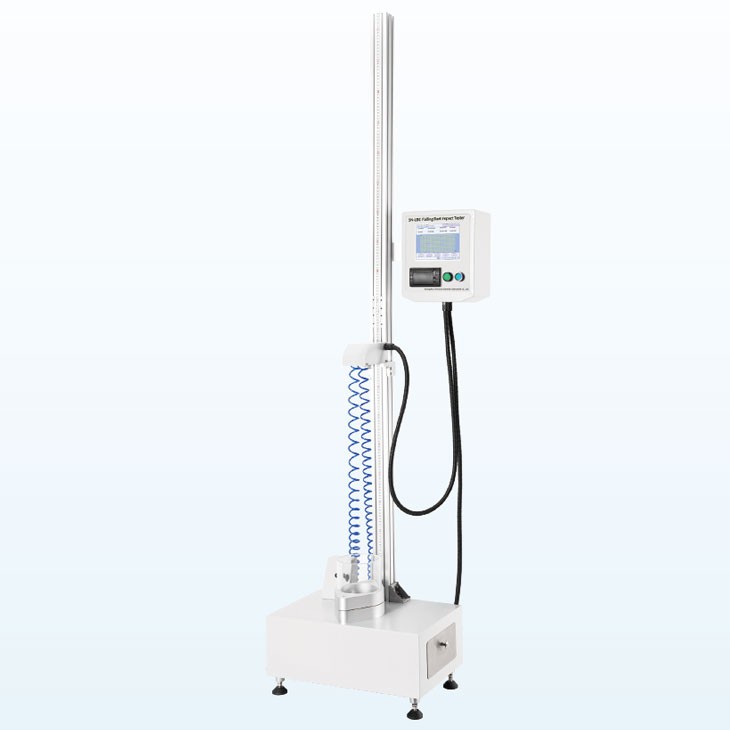
If you are in need of a reliable drop dart impact meter or require further assistance with calibration, please visit our website at Film Impact Test Equipment or Falling Dart Impact Test Equipment. We also offer the SN-LQE Falling Ball Impact Tester for more comprehensive impact testing solutions. Contact our sales team today to discuss your specific requirements and to learn more about our products and services.
References
- ASTM D1709 - Standard Test Methods for Impact Resistance of Plastic Film by the Free-Falling Dart Method
- ISO 7765 - Plastics - Film and sheeting - Determination of impact resistance by the free-falling dart method
- BS EN ISO 7765-1 - Plastics. Film and sheeting. Determination of impact resistance by the free-falling dart method. Staircase method