Selecting the appropriate sealing parameters for a heat seal tester is crucial for achieving reliable and consistent seals in various packaging applications. As a heat seal tester supplier, I've seen firsthand how the right parameters can make or break a product's quality. In this blog post, I'll walk you through the key factors to consider when choosing these parameters, including temperature, pressure, time, and material properties.
Understanding the Basics of Heat Sealing
Before we dive into the details of selecting sealing parameters, let's quickly review how heat sealing works. Heat sealing is a process that uses heat and pressure to bond two or more layers of material together. In the context of a heat seal tester, this typically involves sealing plastic films, laminates, or other packaging materials. The goal is to create a strong, airtight seal that protects the contents of the package from moisture, oxygen, and other contaminants.
Key Sealing Parameters
Temperature
Temperature is one of the most critical factors in heat sealing. It determines how quickly the materials melt and bond together. If the temperature is too low, the seal may be weak or incomplete. On the other hand, if the temperature is too high, the materials may overheat, causing them to warp, burn, or lose their integrity.
To select the appropriate temperature, you need to consider the type of material you're sealing. Different materials have different melting points, so you'll need to adjust the temperature accordingly. For example, polyethylene (PE) has a lower melting point than polypropylene (PP), so you'll need to use a lower temperature when sealing PE films.
You can start by referring to the manufacturer's recommendations for the materials you're using. These recommendations usually provide a range of temperatures that are suitable for sealing the material. You can then conduct some tests within this range to find the optimal temperature for your specific application.
Pressure
Pressure is another important parameter in heat sealing. It helps to ensure that the materials are in close contact with each other during the sealing process, which promotes better bonding. If the pressure is too low, the seal may be weak or uneven. If the pressure is too high, it may damage the materials or cause them to deform.
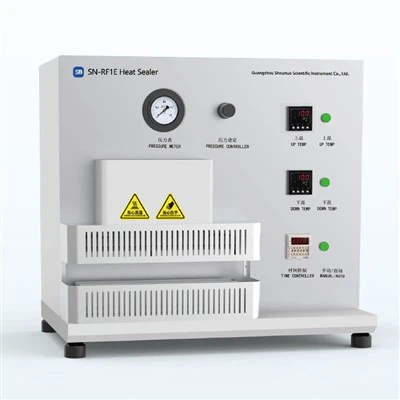
The amount of pressure you need depends on the type of material, the thickness of the materials, and the sealing area. Thicker materials generally require more pressure to seal properly. You can use a pressure gauge on your Heat Seal Tester to measure and adjust the pressure as needed.
Time
Sealing time refers to the duration for which the heat and pressure are applied to the materials. It plays a crucial role in determining the strength and quality of the seal. If the sealing time is too short, the materials may not have enough time to melt and bond together properly. If the sealing time is too long, the materials may overheat and become damaged.

Similar to temperature and pressure, the optimal sealing time depends on the type and thickness of the materials. You may need to conduct some trial and error to find the right sealing time for your specific application. Start with the manufacturer's recommended sealing time and then make adjustments based on the results of your tests.
Material Properties
The properties of the materials you're sealing also have a significant impact on the sealing parameters. Some of the key material properties to consider include:
- Melting Point: As mentioned earlier, different materials have different melting points, which affects the temperature required for sealing.
- Thickness: Thicker materials generally require higher temperatures, pressures, and longer sealing times to achieve a good seal.
- Coating and Laminations: If the materials have any coatings or laminations, these can also affect the sealing process. Some coatings may require specific temperatures or pressures to ensure proper bonding.
- Surface Texture: The surface texture of the materials can influence the sealing quality. Smooth surfaces generally seal better than rough or textured surfaces.
Conducting Sealing Tests
Once you have an idea of the appropriate sealing parameters based on the material properties and the manufacturer's recommendations, it's time to conduct some sealing tests. These tests will help you fine-tune the parameters and ensure that you're achieving the best possible seals.
- Start with a Baseline: Begin by setting the sealing parameters to the manufacturer's recommended values. Perform a series of sealing tests using these parameters and evaluate the quality of the seals. Look for signs of weak seals, such as leaks or peeling, as well as any signs of overheating or damage to the materials.
- Make Incremental Adjustments: If the initial seals are not satisfactory, make small incremental adjustments to one parameter at a time. For example, if the seals are weak, you can increase the temperature slightly or extend the sealing time. After each adjustment, perform another set of sealing tests and evaluate the results.
- Document Your Results: Keep a record of the sealing parameters used in each test and the corresponding seal quality. This will help you track your progress and identify the optimal parameters for your specific application.
Using the Right Heat Seal Tester
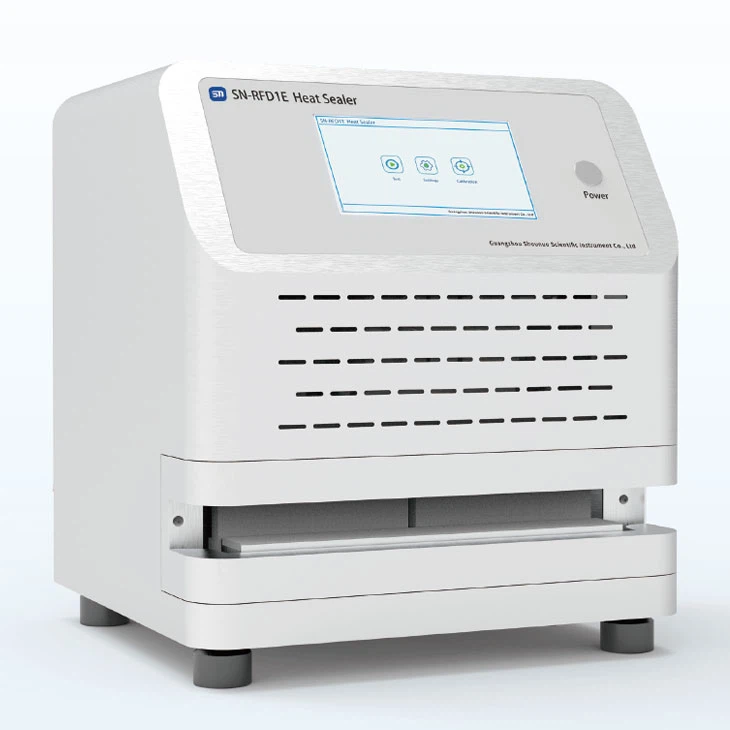
Having the right heat seal tester is essential for accurate and reliable sealing parameter selection. At our company, we offer a range of high-quality heat seal testers, including the SN-RFD1E Heat Sealer and the Five-point Heat Sealer.
These heat seal testers are designed to provide precise control over temperature, pressure, and sealing time, allowing you to select and adjust the sealing parameters with ease. They also come with advanced features and intuitive interfaces that make it simple to conduct sealing tests and obtain accurate results.
Conclusion
Selecting the appropriate sealing parameters for a heat seal tester is a process that requires careful consideration of several factors, including temperature, pressure, time, and material properties. By understanding these factors and conducting thorough sealing tests, you can ensure that you're achieving the best possible seals for your packaging applications.
If you're in the market for a heat seal tester or need assistance with selecting the right sealing parameters for your specific needs, don't hesitate to contact us. Our team of experts is here to help you find the perfect solution for your business.
References
- Packaging Machinery Manufacturers Institute (PMMI). (n.d.). Heat Sealing Basics.
- ASTM International. (Various dates). Standards related to heat sealing of plastics.