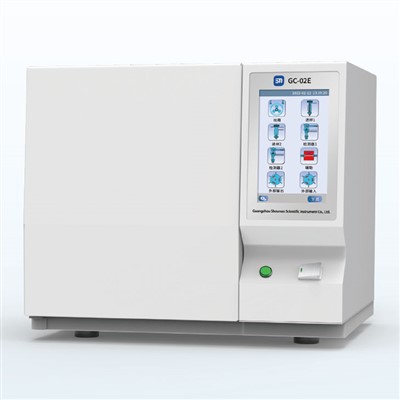
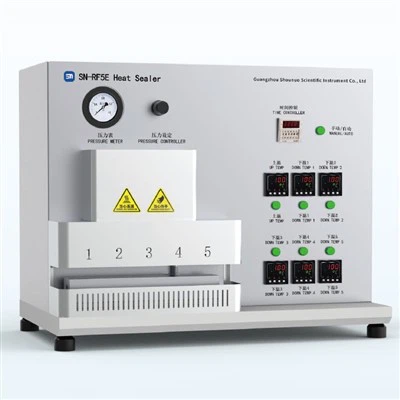
In the vast realm of petrochemical analysis, the Gas Chromatography System stands as an indispensable tool, offering unparalleled insights into the composition and properties of various petroleum products. As a leading supplier of Gas Chromatography System, I have witnessed firsthand the transformative impact of this technology on the petrochemical industry. In this blog post, I will delve into the multifaceted role of Gas Chromatography Systems in petrochemical analysis, exploring their applications, benefits, and the latest advancements in the field.
Understanding Gas Chromatography
Before we delve into the role of Gas Chromatography Systems in petrochemical analysis, it is essential to understand the fundamental principles of Gas Chromatography (Gas Chromatography). Gas Chromatography is a powerful analytical technique used to separate and analyze volatile compounds in a sample. The process involves injecting a sample into a gas chromatograph, where it is vaporized and carried through a column by a carrier gas. As the sample components travel through the column, they interact with the stationary phase, causing them to separate based on their physical and chemical properties. The separated components are then detected and quantified, providing valuable information about the composition of the sample.
Applications of Gas Chromatography Systems in Petrochemical Analysis
Gas Chromatography Systems play a crucial role in a wide range of petrochemical analysis applications, including:
- Composition Analysis: Gas Chromatography Systems are used to determine the composition of petroleum products, such as crude oil, gasoline, diesel, and jet fuel. By analyzing the individual components of these products, petrochemical companies can optimize their refining processes, ensure product quality, and comply with regulatory standards.
- Impurity Detection: Gas Chromatography Systems are highly sensitive and can detect trace amounts of impurities in petroleum products. This is crucial for ensuring the quality and safety of these products, as impurities can have a significant impact on their performance and reliability.
- Process Monitoring: Gas Chromatography Systems are used to monitor the performance of petrochemical processes, such as distillation, cracking, and reforming. By analyzing the composition of the feedstock and products at various stages of the process, petrochemical companies can optimize their operations, improve efficiency, and reduce costs.
- Environmental Monitoring: Gas Chromatography Systems are used to monitor the environmental impact of petrochemical operations, such as the release of volatile organic compounds (VOCs) and greenhouse gases. By analyzing the composition of air and water samples, environmental agencies can assess the level of pollution and take appropriate measures to protect the environment.
Benefits of Gas Chromatography Systems in Petrochemical Analysis
The use of Gas Chromatography Systems in petrochemical analysis offers several benefits, including:
- High Sensitivity: Gas Chromatography Systems are highly sensitive and can detect trace amounts of compounds in a sample. This makes them ideal for analyzing complex mixtures, such as petroleum products, where the presence of trace impurities can have a significant impact on the quality and performance of the product.
- High Resolution: Gas Chromatography Systems offer high resolution, allowing for the separation of closely related compounds in a sample. This is crucial for accurate analysis and identification of the individual components of a mixture.
- Wide Range of Applications: Gas Chromatography Systems can be used to analyze a wide range of compounds, including volatile organic compounds (VOCs), semi-volatile organic compounds (SVOCs), and inorganic gases. This makes them a versatile tool for petrochemical analysis, as they can be used to analyze different types of samples and compounds.
- Automation: Gas Chromatography Systems can be automated, allowing for high-throughput analysis and reducing the need for manual intervention. This improves the efficiency and accuracy of the analysis, as well as reducing the risk of human error.
Latest Advancements in Gas Chromatography Systems
The field of Gas Chromatography is constantly evolving, with new technologies and advancements being introduced regularly. Some of the latest advancements in Gas Chromatography Systems include:
- Fast Gas Chromatography: Fast Gas Chromatography is a technique that allows for the rapid analysis of samples, reducing the analysis time from several minutes to a few seconds. This is achieved by using shorter columns, higher flow rates, and advanced detection techniques. Fast Gas Chromatography is particularly useful for high-throughput analysis and process monitoring applications.
- Two-Dimensional Gas Chromatography: Two-Dimensional Gas Chromatography is a technique that combines two different separation mechanisms to provide enhanced separation and resolution of complex mixtures. This is achieved by using two columns with different stationary phases, allowing for the separation of compounds based on their different physical and chemical properties. Two-Dimensional Gas Chromatography is particularly useful for analyzing complex samples, such as petroleum products, where the presence of multiple components can make it difficult to achieve accurate separation and analysis using traditional Gas Chromatography techniques.
- Hyphenated Techniques: Hyphenated techniques are techniques that combine Gas Chromatography with other analytical techniques, such as mass spectrometry (MS), infrared spectroscopy (IR), and nuclear magnetic resonance (NMR). This allows for the simultaneous analysis of multiple properties of a sample, providing more comprehensive information about its composition and structure. Hyphenated techniques are particularly useful for analyzing complex samples, such as petroleum products, where the presence of multiple components can make it difficult to achieve accurate analysis using traditional Gas Chromatography techniques.
Conclusion
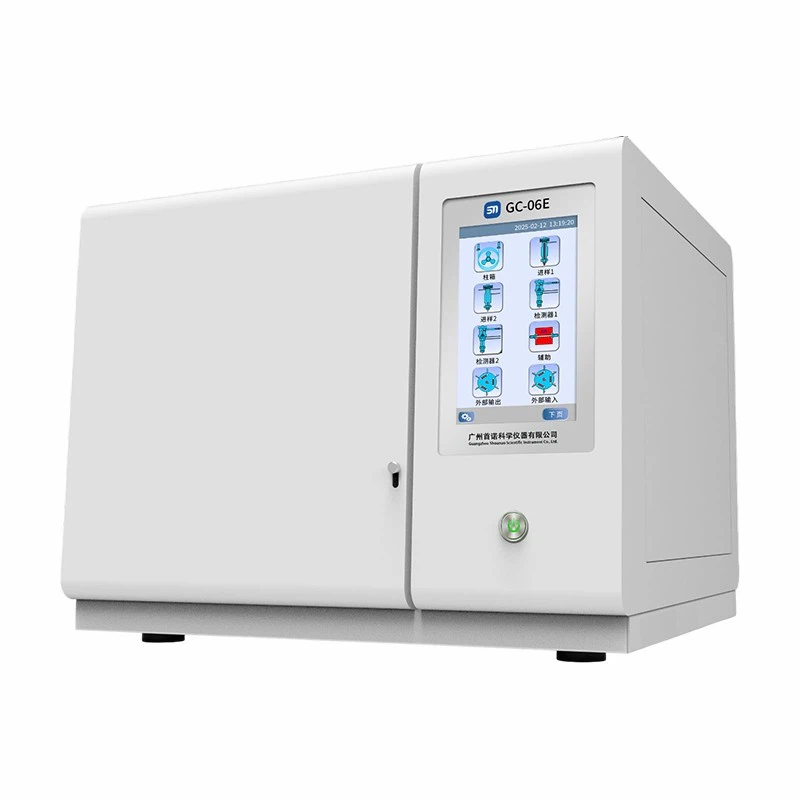
In conclusion, Gas Chromatography Systems play a crucial role in petrochemical analysis, offering unparalleled insights into the composition and properties of various petroleum products. As a leading supplier of Gas Chromatography System, we are committed to providing our customers with the latest technologies and advancements in Gas Chromatography, ensuring that they have the tools and expertise they need to succeed in the petrochemical industry. If you are interested in learning more about our Gas Chromatography Systems or would like to discuss your specific petrochemical analysis needs, please contact us today. We look forward to working with you.

References
- Harris, D. C. (2016). Quantitative Chemical Analysis (9th ed.). W. H. Freeman and Company.
- McNaught, A. D., & Wilkinson, A. (1997). Compendium of Chemical Terminology: IUPAC Recommendations. Blackwell Science.
- Snyder, L. R., Kirkland, J. J., & Glajch, J. L. (2010). Practical HPLC Method Development (2nd ed.). John Wiley & Sons.