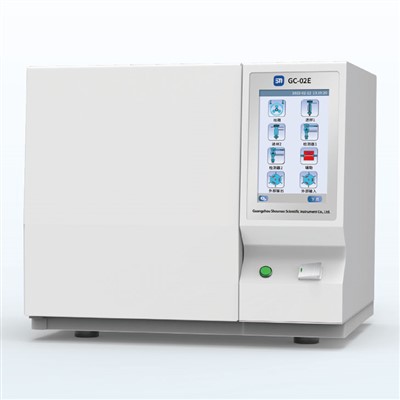
When it comes to the plastics and polymer industry, a Digital Melt Flow Indexer is an indispensable tool. As a supplier of Digital Melt Flow Indexers, I understand the importance of using this equipment safely and effectively. In this blog, I'll share some crucial safety precautions that every user should follow when operating a Digital Melt Flow Indexer.
1. Pre - operation Checks
Before you start using the Digital Melt Flow Indexer, a series of pre - operation checks are necessary. First, visually inspect the equipment for any signs of physical damage. Check the barrel, piston, and die for cracks, dents, or other irregularities. A damaged component can not only affect the accuracy of the melt flow index measurement but also pose a safety risk. For instance, a cracked barrel may lead to the leakage of molten polymer, which can cause burns.


Ensure that all electrical connections are secure. Loose connections can result in electrical shorts, which may damage the equipment or even cause an electrical fire. Check the power cord for any fraying or exposed wires. If you notice any issues with the electrical components, do not attempt to use the Digital Melt Flow Indexer until the problem has been resolved by a qualified technician. You can find a reliable Digital Melt Flow Indexer on our website Digital Melt Flow Indexer.
Verify that the temperature control system is functioning correctly. The temperature settings are critical for accurate melt flow index measurements. An inaccurate temperature can lead to incorrect results and may also cause the polymer to degrade during the testing process. Use a calibrated thermometer to check the actual temperature inside the barrel against the set temperature on the control panel.
2. Personal Protective Equipment (PPE)
Wearing appropriate personal protective equipment is essential when using a Digital Melt Flow Indexer. Heat - resistant gloves should be worn at all times. The barrel of the indexer can reach very high temperatures during operation, and accidental contact with it can cause severe burns. The gloves should be made of materials that can withstand high temperatures and provide a good grip to handle the piston and other hot components safely.
Safety glasses are also a must. When the polymer is melted and extruded through the die, there is a risk of splashing. Molten polymer can cause serious eye injuries if it comes into contact with your eyes. Safety glasses with side shields can provide adequate protection against such splashes.
In addition, wearing a lab coat or heat - resistant apron can protect your body from any spills or splashes of molten polymer. It is also advisable to wear closed - toe shoes to protect your feet from any falling objects or hot materials.
3. Handling of Samples
Proper handling of polymer samples is crucial for both safety and accurate testing. When loading the sample into the barrel, use a suitable tool such as a spatula or a loading rod. Avoid using your hands directly to prevent burns. Make sure that the sample is clean and free from any contaminants. Contaminated samples can not only affect the test results but may also react with the equipment or cause blockages in the die.
When weighing the sample, use a calibrated balance. Accurate sample weight is essential for calculating the melt flow index correctly. Do not overfill the barrel with the sample. Overfilling can cause the polymer to overflow during melting, which can be dangerous and also lead to inaccurate test results.
4. Operation of the Digital Melt Flow Indexer
During the operation of the Digital Melt Flow Indexer, it is important to follow the manufacturer's instructions carefully. Set the temperature, load, and other parameters according to the requirements of the polymer being tested. Do not deviate from the recommended settings without proper knowledge and authorization.
When the indexer is in operation, do not touch the hot parts of the equipment. Keep a safe distance from the barrel and the die. Do not attempt to open the barrel or make any adjustments while the polymer is being melted. Wait until the equipment has cooled down completely before performing any maintenance or cleaning tasks.
If you are using a SN - RR1E Melt Flow Index Tester, make sure you are familiar with its specific operation procedures. Different models may have different features and requirements, so it is essential to read the user manual thoroughly.
5. Post - operation Procedures
After the test is completed, allow the Digital Melt Flow Indexer to cool down naturally. Do not use any external cooling methods such as water or compressed air to speed up the cooling process, as this can cause thermal shock and damage the equipment.
Once the equipment has cooled down, clean the barrel, piston, and die thoroughly. Use a suitable cleaning agent and a soft brush to remove any residual polymer. Make sure that all the components are dry before storing the equipment.
Store the Digital Melt Flow Indexer in a dry and clean environment. Protect it from dust, moisture, and physical damage. Regularly inspect the equipment during storage to ensure that it is in good condition.
6. Emergency Situations
In case of an emergency, such as a fire or an electrical malfunction, know the location of the emergency stop button on the Digital Melt Flow Indexer and use it immediately. If there is a fire, use a suitable fire extinguisher. Make sure that you are trained in the proper use of fire extinguishers.
If there is a spill of molten polymer, do not attempt to clean it up while the polymer is still hot. Wait until it has cooled down and solidified, and then use appropriate tools to remove it.
7. Training and Certification
All operators of the Digital Melt Flow Indexer should receive proper training. Training should cover the operation of the equipment, safety procedures, and maintenance requirements. It is also advisable for operators to obtain relevant certifications to demonstrate their competence in using the equipment.
As a supplier, we offer training programs for our customers. Our experienced technicians can provide on - site training or online training to ensure that users are well - versed in the safe and effective use of our Digital Melt Flow Indexers.
8. Compatibility of Materials
Ensure that the polymer materials you are testing are compatible with the Digital Melt Flow Indexer. Some polymers may release toxic gases or react with the equipment components at high temperatures. Before testing a new polymer, consult the material safety data sheet (MSDS) and conduct a small - scale test if necessary.
9. Maintenance and Calibration
Regular maintenance and calibration of the Digital Melt Flow Indexer are essential for its safe and accurate operation. Follow the manufacturer's recommended maintenance schedule. This may include lubricating moving parts, checking electrical connections, and replacing worn - out components.
Calibration should be performed at regular intervals to ensure that the equipment is providing accurate melt flow index measurements. Use calibrated weights and thermometers for calibration. If you are unsure about the calibration process, our technical support team can assist you.
10. Safety in the Workplace
Create a safe working environment around the Digital Melt Flow Indexer. Keep the work area clean and organized. Remove any clutter that may pose a tripping hazard. Ensure that there is adequate ventilation in the room to prevent the accumulation of fumes from the molten polymer.
If you are interested in our Touch Screen Melt Flow Indexer or other Digital Melt Flow Indexers, we invite you to contact us for procurement and further discussions. Our team of experts is ready to provide you with detailed information and support to meet your specific needs.
In conclusion, using a Digital Melt Flow Indexer safely requires strict adherence to safety precautions at every stage, from pre - operation checks to post - operation procedures. By following these guidelines, you can ensure the safety of operators, the accuracy of test results, and the longevity of the equipment.
References
- ASTM D1238 - Standard Test Method for Melt Flow Rates of Thermoplastics by Extrusion Plastometer
- ISO 1133 - Plastics - Determination of the melt mass - flow rate (MFR) and melt volume - flow rate (MVR) of thermoplastics