In the realm of packaging and sealing, heat sealers play a crucial role in ensuring product integrity and longevity. As a supplier of Five - point Heat Sealers, I've witnessed firsthand the unique characteristics and advantages that set this type of sealer apart from other heat sealers on the market. In this blog, I'll delve into the key differences between a Five - point Heat Sealer and its counterparts, shedding light on why it might be the ideal choice for your packaging needs.
Working Principle
Most traditional heat sealers operate on a single - point or dual - point sealing mechanism. These sealers typically apply heat and pressure at one or two specific points along the sealing area. For instance, a basic handheld heat sealer might use a single heating element to create a seal on a plastic bag. This simple design is suitable for basic sealing tasks but may have limitations when it comes to more complex or larger - scale packaging.
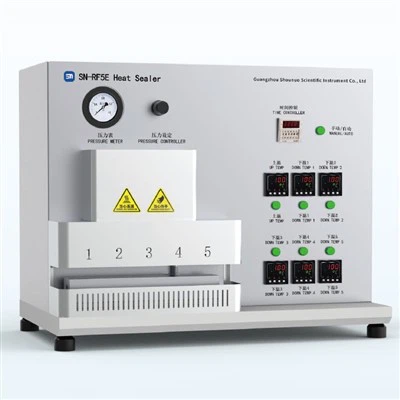
On the other hand, a Five - point Heat Sealer, as the name suggests, applies heat and pressure at five distinct points simultaneously. This multi - point approach allows for a more uniform and secure seal. The five points are strategically placed to distribute the heat and pressure evenly across the sealing area, reducing the risk of weak spots or gaps in the seal. This is particularly important when sealing larger or irregularly shaped packages, as it ensures that every part of the seal is strong and reliable.
Sealing Strength and Quality
One of the most significant differences between a Five - point Heat Sealer and other heat sealers lies in the sealing strength and quality. Traditional heat sealers may struggle to create a consistent seal, especially on thicker or more rigid materials. The single - or dual - point sealing mechanism may not provide enough pressure or heat distribution, resulting in seals that are prone to breakage or leakage.
A Five - point Heat Sealer, however, offers superior sealing strength. The multiple points of contact ensure that the heat and pressure are evenly distributed, creating a strong and durable seal. This is especially beneficial for products that require a high - level of protection, such as food items, pharmaceuticals, or electronic components. The uniform seal also reduces the risk of contamination, as it prevents air, moisture, and other external factors from entering the package.
Versatility
When it comes to versatility, a Five - point Heat Sealer outshines many other heat sealers. Traditional heat sealers are often designed for specific types of materials or packaging applications. For example, a heat sealer designed for thin plastic bags may not be suitable for sealing thicker materials like foil or cardboard.
A Five - point Heat Sealer, on the other hand, can handle a wide range of materials, including plastic, foil, paper, and even some types of fabric. The adjustable heat and pressure settings allow for customization, making it suitable for various packaging needs. Whether you're sealing small, delicate items or large, heavy - duty packages, a Five - point Heat Sealer can adapt to the task at hand.
Efficiency and Productivity
In a production environment, efficiency and productivity are key. Traditional heat sealers may require multiple passes or adjustments to achieve a proper seal, which can slow down the packaging process. This is especially true for larger packages or materials that are difficult to seal.
A Five - point Heat Sealer, however, offers a more efficient and productive solution. The simultaneous application of heat and pressure at five points reduces the sealing time significantly. This means that you can seal more packages in less time, increasing your overall productivity. Additionally, the consistent and reliable seal quality reduces the need for rework, further improving efficiency.
Energy Efficiency
Energy efficiency is an important consideration in today's environmentally conscious world. Many traditional heat sealers consume a significant amount of energy, especially when operating continuously. This not only increases operating costs but also has a negative impact on the environment.
The Energy - Efficient Sealer Machine is designed with energy efficiency in mind. The advanced heating technology and optimized design ensure that the sealer uses less energy while still providing a high - quality seal. This not only reduces your energy bills but also helps to minimize your carbon footprint.
Cost - Effectiveness
When evaluating the cost - effectiveness of a heat sealer, it's important to consider not only the initial purchase price but also the long - term operating costs. Traditional heat sealers may have a lower upfront cost, but they may require more maintenance and replacement parts over time. Additionally, the lower sealing quality may result in higher product waste and rework costs.
A Five - point Heat Sealer, while it may have a higher initial investment, offers long - term cost savings. The superior sealing quality reduces product waste and rework, while the energy - efficient design lowers operating costs. Over time, these savings can offset the initial purchase price, making the Five - point Heat Sealer a more cost - effective solution.
Specific Model: SN - RFD1E Heat Sealer
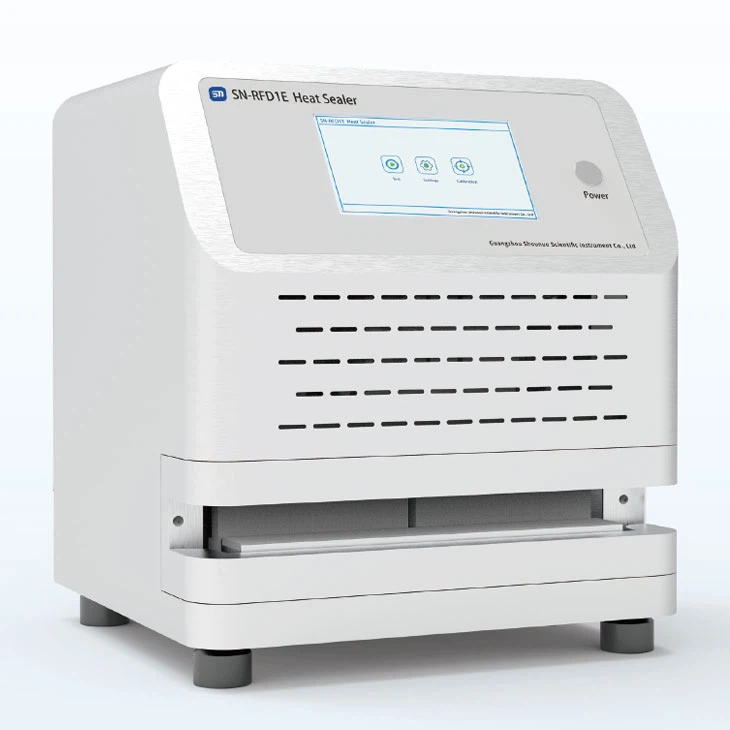
Our SN - RFD1E Heat Sealer is a prime example of a high - quality Five - point Heat Sealer. This model is equipped with advanced features such as adjustable heat and pressure settings, a digital control panel, and a durable construction. It can handle a wide range of materials and packaging sizes, making it suitable for various industries.
The SN - RFD1E Heat Sealer also offers excellent sealing performance. The five - point sealing mechanism ensures a strong and uniform seal, while the adjustable settings allow for customization based on the specific requirements of your packaging. Whether you're sealing small bags or large containers, this sealer can provide a reliable and efficient solution.
Quality Assurance and Testing
To ensure the quality and performance of our Five - point Heat Sealers, we use a Heat Seal Tester to conduct rigorous testing. This tester measures the strength and integrity of the seal, allowing us to identify any potential issues and make necessary adjustments. By using a heat seal tester, we can guarantee that our sealers meet the highest standards of quality and reliability.
Conclusion
In conclusion, a Five - point Heat Sealer offers several key differences and advantages compared to other heat sealers. From its superior sealing strength and quality to its versatility, efficiency, and energy efficiency, it provides a comprehensive solution for your packaging needs. Whether you're a small business or a large - scale manufacturer, a Five - point Heat Sealer can help you improve your packaging process and ensure the integrity of your products.

If you're interested in learning more about our Five - point Heat Sealers or would like to discuss your specific packaging requirements, please feel free to reach out. We're here to help you find the best sealing solution for your business.
References
- Industry reports on heat sealing technology
- Technical specifications of Five - point Heat Sealers and other heat sealers