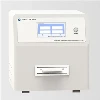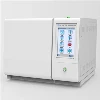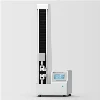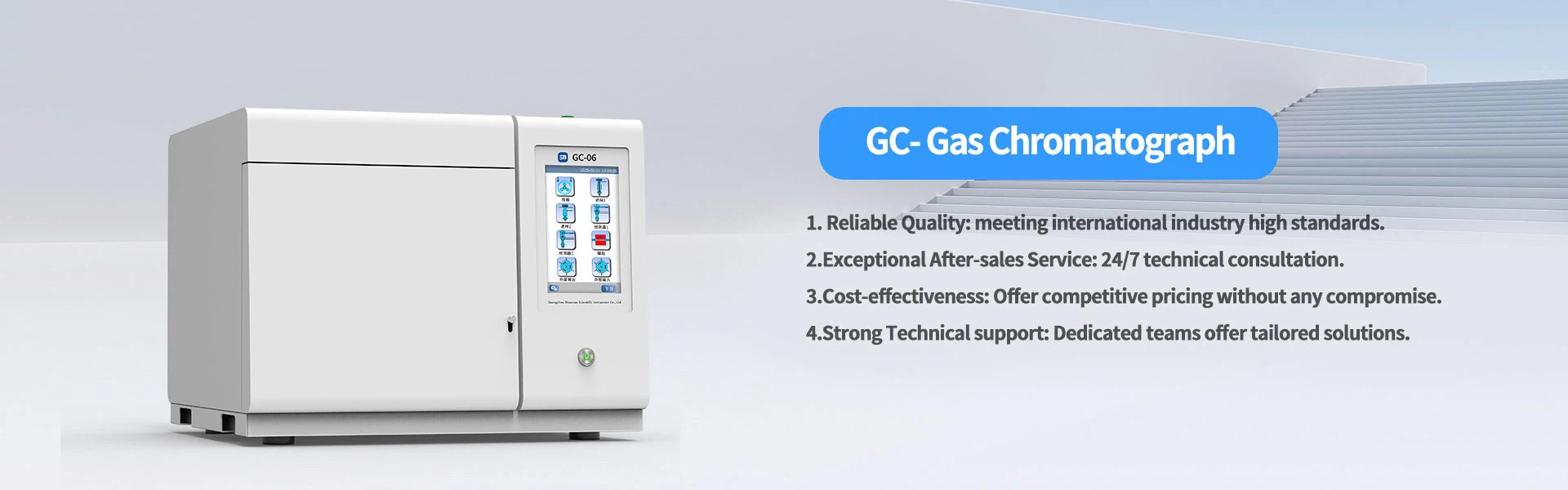
Oxygen permeability meter, also known as oxygen permeability meter or oxygen permeability tester, is a laboratory testing equipment used to test the oxygen permeability of materials. It is based on the principle of isobaric testing (also known as coulomb coulometric method), which evaluates the oxygen barrier performance of materials by measuring the rate at which oxygen molecules pass through the material.
Working principle
The working principle of an oxygen permeability meter mainly includes the following steps:
Sample processing: Pre treat the test sample to ensure its surface is clean and flat.
Test chamber setup: Clamp the processed sample between the test chambers, with oxygen or air introduced on one side and high-purity nitrogen introduced on the other side.
Oxygen diffusion: Oxygen molecules diffuse through a thin film into high-purity nitrogen gas and are carried to the sensor.
Concentration analysis: Sensors measure oxygen concentration and calculate oxygen permeability and other results through analysis.
Application area
Oxygen permeability meters are widely used in multiple fields, including:
Food industry: Used to test the oxygen permeability of food packaging materials, ensuring the freshness and shelf life of food.
Pharmaceutical industry: Used for testing packaging materials for drugs and medical devices to ensure the stability and shelf life of drugs.
Daily chemical: Used for testing packaging materials of cosmetics and daily chemical products to ensure product quality and safety.
Photovoltaic electronics: Used for testing the backplate material of solar panels to ensure their barrier performance.