When Should I Use Split Injection in a Gas Chromatograph?
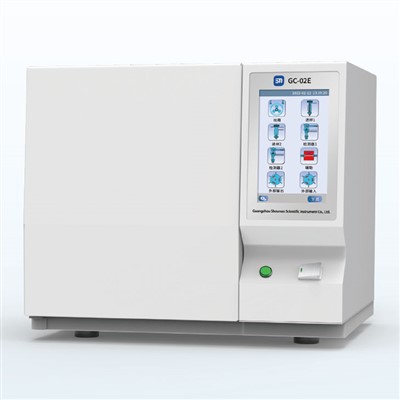
As a trusted supplier of gas chromatographs, including the GC - 05E Gas Chromatograph, GC - 06E Gas Chromatograph, and GC Analyzer, I often get asked about the appropriate use of split injection in gas chromatography. In this blog, I'll delve into the details of split injection, explain when it's the right choice, and how it can enhance your analytical results.


Understanding Split Injection
Split injection is a common sample introduction technique in gas chromatography. When a sample is injected into the gas chromatograph, the injector is set up to split the sample flow. A portion of the sample is sent onto the column for separation, while the rest is vented out. The ratio of the sample that goes onto the column to the sample that is vented is known as the split ratio. For example, a split ratio of 10:1 means that for every 11 parts of the injected sample, 1 part goes onto the column and 10 parts are vented.
Advantages of Split Injection
- Reducing Column Overloading: One of the primary benefits of split injection is that it helps prevent column overloading. When a large amount of sample is injected directly onto the column, it can lead to peak broadening and poor separation. By splitting the sample, only a small, manageable amount is introduced to the column, ensuring that the column can handle the sample effectively and provide sharp, well - defined peaks.
- Improving Peak Shape: Split injection can significantly improve the shape of the peaks in the chromatogram. Since only a small amount of sample is on the column at a time, the peaks are less likely to tail or front, resulting in more accurate quantification and identification of analytes.
- Enhancing Sensitivity for Trace Analysis: In some cases, split injection can actually enhance the sensitivity for trace analysis. By reducing the amount of sample on the column, the detector can more easily detect low - level analytes. This is especially useful when analyzing samples with a wide range of analyte concentrations.
When to Use Split Injection
- High - Concentration Samples: If you are analyzing samples with high concentrations of analytes, split injection is often the best choice. For example, in environmental analysis, samples such as water or soil extracts may contain high levels of pollutants. Injecting these samples without splitting would likely overload the column and lead to poor separation. By using split injection, you can ensure that the column can handle the sample and provide accurate results.
- Complex Samples: Complex samples, such as those containing a large number of different analytes, can benefit from split injection. When there are many components in a sample, the column may have difficulty separating them all if too much sample is injected. Split injection reduces the amount of sample on the column, allowing for better separation of the components.
- Analyzing Volatile Compounds: Volatile compounds are often analyzed using split injection. These compounds tend to elute quickly from the column, and injecting a large amount of a volatile sample can cause peak broadening and overlapping. Split injection helps to control the amount of sample on the column, resulting in better separation of volatile analytes.
Factors to Consider When Using Split Injection
- Split Ratio Selection: The choice of split ratio is crucial. A high split ratio (e.g., 50:1 or 100:1) is suitable for high - concentration samples, as it reduces the amount of sample on the column. However, if the split ratio is too high, it may result in the loss of low - level analytes. On the other hand, a low split ratio (e.g., 5:1 or 10:1) is more appropriate for samples with lower concentrations.
- Sample Solvent: The nature of the sample solvent can also affect the performance of split injection. Solvents with high boiling points may cause problems, as they can condense in the injector and affect the split ratio. It's important to choose a solvent that is compatible with the split injection technique and the column.
- Column Type and Dimensions: Different columns have different capacities and separation capabilities. When using split injection, it's important to choose a column that is appropriate for the sample and the split ratio. For example, a narrow - bore column may require a higher split ratio than a wide - bore column to prevent overloading.
Comparison with Other Injection Techniques
- Splitless Injection: Splitless injection is another common sample introduction technique in gas chromatography. Unlike split injection, splitless injection sends the entire sample onto the column. This technique is more suitable for analyzing low - concentration samples, as it allows for the detection of trace analytes. However, splitless injection can be more prone to column overloading and peak broadening, especially for high - concentration samples.
- On - Column Injection: On - column injection involves injecting the sample directly onto the column without any splitting. This technique is often used for thermally labile compounds, as it minimizes the exposure of the sample to high temperatures in the injector. However, on - column injection requires more precise injection techniques and may not be suitable for all types of samples.
Real - World Applications
- Food and Beverage Analysis: In the food and beverage industry, split injection is widely used for analyzing flavor compounds, pesticides, and other contaminants. For example, when analyzing the volatile compounds in wine, split injection can help to separate and identify the different aroma components.
- Pharmaceutical Analysis: In pharmaceutical analysis, split injection is used for analyzing drug compounds and impurities. It can help to ensure the quality and purity of pharmaceutical products by providing accurate separation and quantification of the analytes.
- Environmental Monitoring: In environmental monitoring, split injection is used for analyzing pollutants in air, water, and soil samples. It can help to detect and quantify trace levels of contaminants such as heavy metals, pesticides, and volatile organic compounds.
Conclusion
Split injection is a powerful technique in gas chromatography that offers many advantages, including reducing column overloading, improving peak shape, and enhancing sensitivity for trace analysis. It is particularly useful for high - concentration samples, complex samples, and samples containing volatile compounds. However, it's important to consider factors such as split ratio selection, sample solvent, and column type when using split injection.
If you're interested in learning more about gas chromatography and split injection, or if you're looking to purchase a gas chromatograph for your laboratory, we're here to help. Our GC - 05E Gas Chromatograph, GC - 06E Gas Chromatograph, and GC Analyzer are designed to provide accurate and reliable results. Please feel free to contact us to discuss your specific needs and start a procurement negotiation.
References
- Snyder, L. R., Kirkland, J. J., & Glajch, J. L. (1997). Practical HPLC Method Development. Wiley - Interscience.
- McMaster, M. C. (2008). Gas Chromatography Basics. Wiley.
- Poole, C. F. (2003). The Essence of Chromatography. Elsevier.