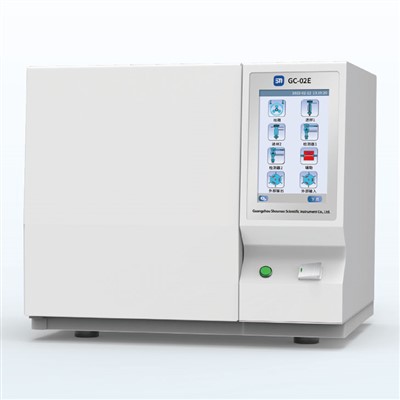
Choosing the right Digital Melt Flow Indexer is a crucial decision for any industry involved in polymer processing. As a supplier of Digital Melt Flow Indexers, I understand the challenges and considerations that come with this choice. In this blog post, I will guide you through the key factors to consider when selecting a Digital Melt Flow Indexer to ensure you make an informed decision that meets your specific needs.
Understanding the Melt Flow Index
Before delving into the selection process, it's essential to understand what the melt flow index (MFI) is and why it matters. The MFI is a measure of the ease of flow of a thermoplastic polymer melt under specific conditions of temperature and pressure. It is determined by measuring the amount of polymer that flows through a standardized die in a specified time under a given load. The MFI provides valuable information about the polymer's molecular weight, viscosity, and processability, which are critical factors in determining its suitability for various applications.
Key Factors to Consider
1. Accuracy and Precision
Accuracy and precision are paramount when it comes to measuring the MFI. A high-quality Digital Melt Flow Indexer should be able to provide accurate and repeatable results within a narrow margin of error. Look for a device that uses advanced sensors and control systems to ensure precise temperature and pressure control, as well as reliable measurement of the melt flow rate. Additionally, consider the calibration and certification of the instrument to ensure its accuracy and compliance with international standards.


2. Temperature and Pressure Range
Different polymers require different processing temperatures and pressures to achieve the desired MFI. Therefore, it's important to choose a Digital Melt Flow Indexer that can operate within a wide range of temperatures and pressures to accommodate various polymer types. Look for a device that offers adjustable temperature and pressure settings, as well as the ability to maintain a stable environment throughout the testing process.
3. Testing Standards and Compliance
The MFI is typically measured according to international standards such as ASTM D1238 and ISO 1133. Ensure that the Digital Melt Flow Indexer you choose is compliant with these standards to ensure the accuracy and comparability of your test results. Additionally, consider the availability of different test methods and procedures to meet your specific requirements.
4. Ease of Use and Maintenance
A user-friendly Digital Melt Flow Indexer can significantly improve the efficiency and productivity of your testing process. Look for a device that features an intuitive interface, easy-to-use controls, and clear instructions. Additionally, consider the maintenance requirements of the instrument, such as cleaning, calibration, and replacement of parts. A device that is easy to maintain can help reduce downtime and ensure the longevity of your investment.
5. Data Management and Analysis
In today's digital age, it's important to choose a Digital Melt Flow Indexer that can provide efficient data management and analysis capabilities. Look for a device that can store and retrieve test results, generate reports, and perform statistical analysis. Additionally, consider the compatibility of the instrument with other software and systems to facilitate data sharing and integration.
6. Cost and Value
While cost is an important consideration, it should not be the only factor when choosing a Digital Melt Flow Indexer. Look for a device that offers a good balance between cost and value, taking into account the features, performance, and reliability of the instrument. Consider the long-term benefits of investing in a high-quality device, such as improved productivity, accuracy, and compliance.
Our Digital Melt Flow Indexers
As a leading supplier of Digital Melt Flow Indexers, we offer a range of high-quality instruments that meet the diverse needs of our customers. Our SN-RR1E Melt Flow Index Tester is a state-of-the-art device that features advanced sensors, precise temperature and pressure control, and a user-friendly interface. It is compliant with international standards such as ASTM D1238 and ISO 1133, and offers a wide range of testing methods and procedures to meet your specific requirements.
Our Touch Screen Melt Flow Indexer is another popular choice among our customers. It features a large touch screen display, intuitive controls, and easy-to-use software that allows you to perform tests quickly and efficiently. It also offers advanced data management and analysis capabilities, including the ability to store and retrieve test results, generate reports, and perform statistical analysis.
Our Digital Melt Flow Indexer is a versatile device that offers a wide range of temperature and pressure settings, as well as the ability to perform multiple tests simultaneously. It is designed to be easy to use and maintain, and features a robust construction that ensures long-term reliability and durability.
Conclusion
Choosing the right Digital Melt Flow Indexer is a critical decision that can have a significant impact on the quality and efficiency of your polymer processing operations. By considering the key factors outlined in this blog post, you can make an informed decision that meets your specific needs and budget. As a supplier of high-quality Digital Melt Flow Indexers, we are committed to providing our customers with the best products and services. If you have any questions or need further information, please do not hesitate to contact us. We look forward to working with you to find the right solution for your needs.
References
- ASTM D1238 - Standard Test Methods for Melt Flow Rates of Thermoplastics by Extrusion Plastometer.
- ISO 1133 - Plastics - Determination of the Melt Mass - Flow Rate (MFR) and Melt Volume - Flow Rate (MVR) of Thermoplastics.