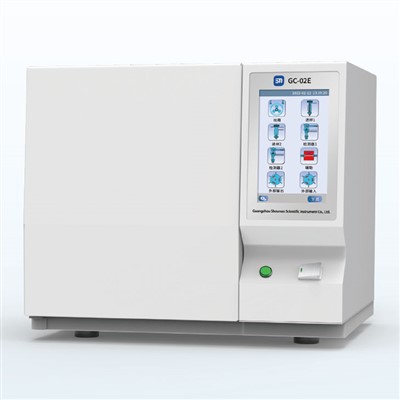
Hey there! As a supplier of Chromatography Equipment, I often get asked if our gear can be used for environmental analysis. The short answer is a resounding yes! In this blog, I'll break down how chromatography equipment plays a crucial role in keeping our environment in check.
What's Chromatography Anyway?
Before we dive into environmental analysis, let's quickly cover what chromatography is. It's a technique used to separate mixtures into their individual components. Think of it like sorting a big bowl of mixed nuts into different piles of almonds, walnuts, and cashews. In the scientific world, chromatography helps us identify and quantify different chemicals in a sample.
There are different types of chromatography, but the ones we'll focus on here are gas chromatography (GC) and high - performance liquid chromatography (HPLC). These are the workhorses in environmental analysis.
Gas Chromatography in Environmental Analysis
GC-06E Gas Chromatograph is one of our top - selling products, and it's a real champ when it comes to environmental analysis. Here's how it's used:
Air Quality Monitoring
Air pollution is a huge concern these days. With industries, vehicles, and other sources pumping out all sorts of pollutants, it's essential to know what's in the air we breathe. Gas chromatography can detect volatile organic compounds (VOCs), which are released from paints, solvents, and industrial processes. These VOCs can have serious health effects, from eye and throat irritation to more long - term issues like cancer.
Our GC analyzers can separate and measure different VOCs in the air. For example, benzene, a known carcinogen, can be accurately detected and quantified. By monitoring benzene levels in the air, environmental agencies can enforce regulations and take steps to reduce emissions.
Water Quality Assessment
Water is another vital part of our environment. Gas chromatography can be used to analyze water samples for contaminants. For instance, it can detect pesticides and herbicides that might have leached into water sources from agricultural activities. These chemicals can be harmful to aquatic life and can also find their way into our drinking water.
In addition, GC can detect petroleum hydrocarbons in water. Oil spills are a major environmental disaster, and gas chromatography helps in assessing the extent of the damage. By identifying the specific hydrocarbons present, scientists can better understand the impact on the ecosystem and develop appropriate cleanup strategies.
High - Performance Liquid Chromatography (HPLC) in Environmental Analysis
While gas chromatography is great for volatile compounds, HPLC is more suitable for non - volatile and thermally unstable substances. Here's how it fits into environmental analysis:
Soil Analysis
Soil is a complex mixture of organic and inorganic matter. HPLC can be used to analyze soil samples for pollutants such as polycyclic aromatic hydrocarbons (PAHs). PAHs are formed during the incomplete combustion of organic materials, like coal, oil, and wood. They are known to be toxic and carcinogenic.
By using HPLC, we can separate and measure different PAHs in the soil. This information is crucial for assessing soil contamination levels, especially in areas near industrial sites or waste disposal facilities. It helps in determining whether the soil is safe for agriculture or other uses.
Analysis of Persistent Organic Pollutants (POPs)
POPs are chemicals that are resistant to environmental degradation and can accumulate in the food chain. Examples include polychlorinated biphenyls (PCBs) and dioxins. HPLC is an effective tool for analyzing these substances in environmental samples.
PCBs were widely used in electrical equipment in the past, but their harmful effects on human health and the environment are now well - known. HPLC can accurately measure the levels of PCBs in soil, water, and sediment samples. This data is used to monitor the spread of these pollutants and to enforce regulations on their disposal.
Benefits of Using Chromatography Equipment for Environmental Analysis
Accuracy
One of the biggest advantages of chromatography equipment is its high level of accuracy. Our GC Analyzer can detect chemicals at very low concentrations, often in the parts - per - billion (ppb) or even parts - per - trillion (ppt) range. This precision is essential for environmental analysis, where even small amounts of pollutants can have significant impacts.
Sensitivity
Chromatography equipment is also highly sensitive. It can distinguish between different chemicals that may have similar properties. This is important because many environmental pollutants are present as mixtures, and accurate identification of each component is crucial for understanding their effects.
Versatility
Both gas chromatography and HPLC can be used to analyze a wide range of environmental samples, including air, water, soil, and sediment. This versatility makes chromatography equipment a valuable tool for environmental scientists and regulatory agencies.
Challenges and Limitations
Of course, no technology is perfect. Chromatography equipment does have some challenges and limitations.
Sample Preparation
Sample preparation can be a time - consuming and complex process. For example, water samples may need to be filtered, concentrated, and derivatized before they can be analyzed by chromatography. This adds to the overall analysis time and can also introduce some errors.
Cost
Chromatography equipment can be expensive to purchase and maintain. The cost of consumables, such as columns and solvents, can also add up over time. However, the benefits of accurate environmental analysis often outweigh the costs, especially when it comes to protecting public health and the environment.
Conclusion
In conclusion, chromatography equipment is an indispensable tool for environmental analysis. Whether it's monitoring air quality, assessing water contamination, or analyzing soil pollutants, our Chromatography Equipment can provide accurate and reliable results.
If you're in the business of environmental analysis, research, or regulation, and you're looking for high - quality chromatography equipment, we'd love to hear from you. Our team of experts can help you choose the right equipment for your specific needs. Contact us to start a discussion about your requirements and how our products can make a difference in your environmental analysis projects.


References
- Skoog, D. A., West, D. M., Holler, F. J., & Crouch, S. R. (2013). Fundamentals of Analytical Chemistry. Cengage Learning.
- USEPA. (2020). Methods for the Determination of Organic Compounds in Ambient Air. United States Environmental Protection Agency.
- UNEP. (2019). Global Assessment Report on Chemicals and Waste. United Nations Environment Programme.