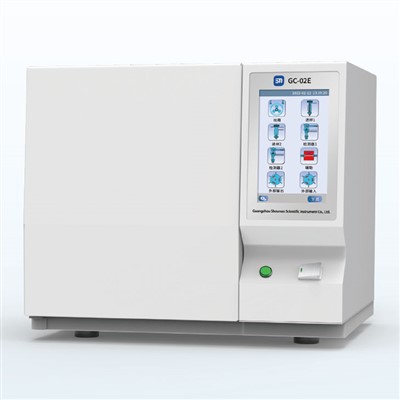
As a supplier of electronic pendulums, I've often been asked about the potential uses of these devices beyond their traditional scientific and industrial applications. One question that has piqued my interest is whether an electronic pendulum can be used for decorative purposes. In this blog post, I'll explore this topic in detail, examining the characteristics of electronic pendulums, their aesthetic appeal, and how they can be incorporated into various decorative settings.
Understanding Electronic Pendulums
Before delving into their decorative potential, it's essential to understand what electronic pendulums are and how they work. An electronic pendulum is a device that combines the principles of a traditional pendulum with electronic components. Unlike a simple mechanical pendulum, which relies solely on gravity and inertia to swing, an electronic pendulum uses sensors, motors, and control systems to regulate its movement.
Electronic pendulums are commonly used in scientific research, engineering, and industrial testing. For example, they are used in High-Accuracy Pendulum Impact System to measure the impact resistance of materials, and in SN-BC2E Electronic Pendulum Impact Tester to perform standardized impact tests on plastics, metals, and other materials. These applications require precise control and measurement of the pendulum's movement, which is made possible by the electronic components.
Aesthetic Appeal of Electronic Pendulums
Despite their scientific and industrial origins, electronic pendulums possess several characteristics that make them aesthetically appealing. One of the most striking features of an electronic pendulum is its rhythmic motion. The smooth, swinging movement of the pendulum can be mesmerizing to watch, creating a sense of calm and tranquility. This rhythmic motion can also have a therapeutic effect, helping to reduce stress and anxiety.
In addition to their motion, electronic pendulums often have a sleek and modern design. Many electronic pendulums are made from high-quality materials such as stainless steel, aluminum, and glass, which give them a sophisticated and elegant appearance. The use of LED lights and other electronic displays can also enhance the visual appeal of the pendulum, creating a dynamic and eye-catching effect.
Incorporating Electronic Pendulums into Decorative Settings
There are several ways to incorporate electronic pendulums into decorative settings. One popular option is to use them as a centerpiece in a living room, dining room, or office. A large, visually striking electronic pendulum can serve as a focal point in the room, drawing the eye and creating a conversation starter. You can place the pendulum on a pedestal or stand to elevate it and make it more prominent.
Another way to use electronic pendulums for decoration is to install them in a hallway or entryway. The rhythmic motion of the pendulum can add a sense of movement and energy to the space, making it more inviting and welcoming. You can also use multiple pendulums in a row to create a dramatic effect.


Electronic pendulums can also be used in outdoor settings, such as gardens or patios. The natural elements of the outdoors, such as sunlight and wind, can interact with the pendulum's movement, creating a unique and ever-changing display. You can choose a pendulum with a weather-resistant design to ensure that it can withstand the elements.
Customization and Personalization
One of the advantages of using electronic pendulums for decoration is the ability to customize and personalize them. Many suppliers offer a range of options for customizing the design, size, and color of the pendulum to match your specific decorative needs. You can choose from different shapes, such as spherical, cylindrical, or rectangular, and select the color and finish that best complements your decor.
In addition to customization, some electronic pendulums can be programmed to display different patterns and effects. For example, you can set the pendulum to change colors, flash lights, or play music, creating a personalized and unique display. This level of customization allows you to create a truly one-of-a-kind decorative piece that reflects your style and personality.
Considerations for Using Electronic Pendulums as Decorations
While electronic pendulums can be a beautiful and unique addition to your decor, there are a few considerations to keep in mind. First, electronic pendulums require a power source, so you'll need to ensure that there is an electrical outlet nearby. You'll also need to consider the size and weight of the pendulum, as some models can be quite large and heavy. Make sure that you have a sturdy surface or stand to support the pendulum.
Another consideration is the noise level of the pendulum. Some electronic pendulums can produce a humming or clicking sound, which may be distracting in a quiet environment. If noise is a concern, look for a pendulum that is designed to operate quietly.
Finally, it's important to choose a high-quality electronic pendulum from a reputable supplier. A well-made pendulum will be more reliable and durable, and will provide years of enjoyment. Look for a supplier that offers a warranty and good customer support.
Conclusion
In conclusion, electronic pendulums can indeed be used for decorative purposes. Their rhythmic motion, sleek design, and customizable features make them a unique and eye-catching addition to any decor. Whether you're looking to create a focal point in a room, add a sense of movement to a space, or simply enjoy the therapeutic benefits of watching a pendulum swing, an electronic pendulum can be a great choice.
If you're interested in learning more about our electronic pendulums or would like to discuss your specific decorative needs, please don't hesitate to contact us. We'd be happy to help you find the perfect pendulum for your home or office.
References
- Principles of Physics by David Halliday, Robert Resnick, and Jearl Walker
- Handbook of Materials Testing by John R. Hollomon Jr. and George D. Cornell