In the realm of materials testing, the Water Vapor Transmission Rate (WVTR) is a critical parameter that measures the rate at which water vapor permeates through a material. This measurement is essential in various industries, including packaging, construction, textiles, and electronics, as it directly impacts the quality, durability, and performance of products. As a leading supplier of WVTR testers, we often receive inquiries about the versatility of our equipment and whether it can be used for different materials. In this blog post, we will explore the capabilities of our WVTR testers and discuss their applicability across a wide range of materials.
Understanding WVTR and Its Importance
Before delving into the compatibility of WVTR testers with different materials, it is important to understand what WVTR is and why it matters. WVTR is defined as the amount of water vapor that passes through a unit area of a material in a given time under specified conditions of temperature and humidity. It is typically expressed in units such as grams per square meter per day (g/m²/day).
The WVTR of a material is influenced by several factors, including its chemical composition, structure, thickness, and porosity. Materials with high WVTR values allow more water vapor to pass through, which can lead to issues such as moisture damage, spoilage, and reduced shelf life in products. On the other hand, materials with low WVTR values provide better moisture barrier properties, protecting products from the harmful effects of moisture.


Our WVTR Testers: A Versatile Solution
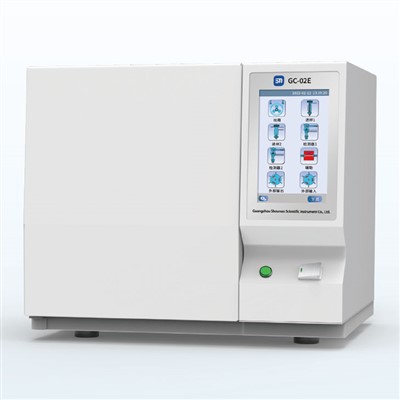
At our company, we offer a range of WVTR Testing Equipment designed to meet the diverse needs of our customers. Our testers are based on advanced technologies and are capable of accurately measuring the WVTR of various materials, including plastics, films, papers, textiles, and composites.
One of our flagship products is the SN-W01E WVTR Tester, which is a single-chamber tester suitable for testing small samples of materials. This tester uses the gravimetric method, which involves measuring the change in weight of a sample over time due to the permeation of water vapor. The SN-W01E WVTR Tester is easy to operate and provides accurate and reliable results, making it an ideal choice for research laboratories, quality control departments, and small-scale production facilities.
Another popular product in our portfolio is the SN-W103E WVTR Tester, which is a three-chamber tester that uses the infrared method to measure the WVTR of materials. This tester is capable of testing multiple samples simultaneously, which significantly increases the testing efficiency. The SN-W103E WVTR Tester is suitable for testing a wide range of materials, including high-barrier films, laminates, and packaging materials.
Testing Different Materials with Our WVTR Testers
Our WVTR testers are designed to be versatile and can be used for testing a variety of materials. Here are some examples of materials that can be tested using our testers:
Plastics and Films
Plastics and films are widely used in the packaging industry due to their excellent barrier properties, flexibility, and cost-effectiveness. Our WVTR testers can accurately measure the WVTR of different types of plastics and films, including polyethylene (PE), polypropylene (PP), polyethylene terephthalate (PET), and polyvinyl chloride (PVC). By testing the WVTR of these materials, manufacturers can ensure that their packaging products provide adequate protection against moisture and extend the shelf life of their products.
Papers and Cardboards
Papers and cardboards are commonly used in the packaging of food, beverages, and consumer goods. However, these materials are porous and can absorb moisture, which can affect the quality and integrity of the packaged products. Our WVTR testers can be used to measure the WVTR of papers and cardboards, allowing manufacturers to select the appropriate materials with the desired moisture barrier properties. Additionally, by testing the WVTR of coated papers and cardboards, manufacturers can evaluate the effectiveness of the coating in improving the moisture resistance of these materials.
Textiles
Textiles are used in a wide range of applications, including clothing, home furnishings, and industrial products. The WVTR of textiles is an important parameter that affects their comfort, breathability, and performance. Our WVTR testers can be used to measure the WVTR of different types of textiles, including natural fibers (such as cotton, wool, and silk) and synthetic fibers (such as polyester, nylon, and acrylic). By testing the WVTR of textiles, manufacturers can develop products with improved moisture management properties, enhancing the comfort and functionality of their products.
Composites
Composites are materials made by combining two or more different materials to achieve specific properties. They are widely used in the aerospace, automotive, and construction industries due to their high strength, lightweight, and corrosion resistance. Our WVTR testers can be used to measure the WVTR of composites, allowing manufacturers to evaluate the moisture barrier properties of these materials and ensure their long-term performance in various applications.
Advantages of Using Our WVTR Testers
There are several advantages of using our WVTR testers for testing different materials:
Accuracy and Reliability
Our WVTR testers are based on advanced technologies and are calibrated to ensure accurate and reliable results. They are equipped with high-precision sensors and measurement systems, which can detect even small changes in the WVTR of materials. By using our testers, manufacturers can obtain accurate data on the moisture barrier properties of their materials, enabling them to make informed decisions about product design, material selection, and quality control.
Versatility
Our WVTR testers are designed to be versatile and can be used for testing a wide range of materials. They can accommodate different sample sizes and shapes, and can be configured to meet the specific testing requirements of different industries and applications. Whether you are testing plastics, films, papers, textiles, or composites, our testers can provide you with the accurate and reliable results you need.
Efficiency
Our WVTR testers are designed to be efficient and can save you time and money. The SN-W103E WVTR Tester, for example, is capable of testing multiple samples simultaneously, which significantly increases the testing efficiency. Additionally, our testers are easy to operate and require minimal maintenance, reducing the overall cost of testing.
Technical Support
As a leading supplier of WVTR testers, we provide comprehensive technical support to our customers. Our team of experts is available to assist you with installation, training, and troubleshooting, ensuring that you get the most out of your tester. We also offer regular calibration and maintenance services to ensure the continued accuracy and reliability of your tester.
Conclusion
In conclusion, our WVTR testers are a versatile solution for testing the water vapor transmission rate of different materials. Whether you are a manufacturer, researcher, or quality control professional, our testers can provide you with the accurate and reliable results you need to ensure the quality, durability, and performance of your products.
If you are interested in learning more about our WVTR Testing Equipment or would like to discuss your specific testing requirements, please do not hesitate to contact us. Our team of experts is ready to assist you in finding the right solution for your needs. We look forward to the opportunity to work with you and help you achieve your testing goals.
References
- ASTM F1249 - Standard Test Method for Water Vapor Transmission Rate Through Plastic Film and Sheeting Using a Modulated Infrared Sensor.
- ISO 15106 - Plastics - Film and sheeting - Determination of water vapour transmission rate.
- TAPPI T523 - Water Vapor Transmission of Paper and Paperboard at High Relative Humidity.