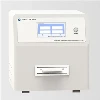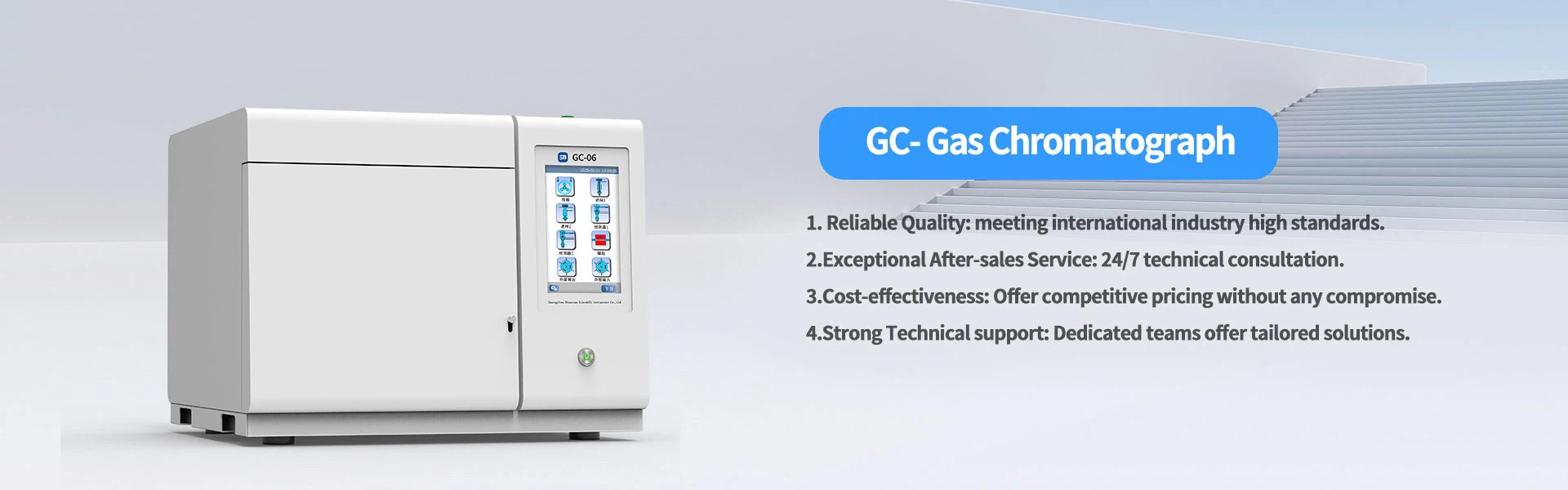
In the world of packaging quality control, precision is paramount. One of the most critical tools for ensuring this precision is the Coating Thickness Gauge. This instrument serves as a fundamental Thickness Measurement Tool, vital for verifying the integrity and performance of various packaging materials. Understanding what it measures and which industries rely on it can help businesses maintain high standards and meet regulatory requirements.
A Coating Thickness Gauge is specifically designed to measure the thickness of layers applied to a substrate. In the packaging industry, this primarily involves coatings on materials like metals, plastics, and paperboard. For instance, many food and beverage cans have protective epoxy coatings on their interior to prevent corrosion and contamination. Similarly, flexible packaging often uses laminated films with thin layers of barrier materials to protect contents from moisture, oxygen, or light. The gauge ensures these coatings are applied uniformly and at the correct thickness, as even minor deviations can compromise the package's functionality and safety.

The application of this Thickness Measurement Tool extends beyond just traditional coatings. A significant area of use involves elastomeric materials, where a Thickness Gauge for Rubber becomes essential. In packaging, rubberized coatings or seals are sometimes used for their flexibility and shock-absorption properties, particularly in protective packaging for fragile goods or in seals for airtight containers. Ensuring the correct thickness of these rubber layers is crucial for their performance and durability. A Coating Thickness Gauge capable of measuring such materials guarantees that the rubber coating will perform as intended, providing the necessary cushioning or sealing.
Several key industries heavily depend on the data provided by a Coating Thickness Gauge. The food and beverage industry is a primary user, as it relies on coated metal cans and laminated pouches to preserve product freshness and safety. The pharmaceutical sector requires precise coating measurements on blister packs and medicine containers to ensure barrier properties that protect drugs from environmental factors. Additionally, the consumer electronics industry uses these gauges to verify protective coatings on packaging meant to shield sensitive devices from static electricity and physical impact during shipping. In all these sectors, the Thickness Measurement Tool is indispensable for quality assurance.
The technology behind a modern Coating Thickness Gauge is sophisticated yet user-friendly. Most devices operate on magnetic induction or eddy current principles for non-destructive measurement on metallic substrates, while ultrasonic principles might be used for non-metals like plastics or thick paint layers. This versatility makes it a comprehensive Thickness Gauge for Rubber, plastics, and metals alike. By providing instant, accurate readings, these devices allow for real-time adjustments in the production line, minimizing waste and ensuring consistent quality.

In conclusion, the Coating Thickness Gauge is more than just a measuring device; it is a guardian of packaging quality. Its role in verifying the thickness of critical layers-from protective lacquers on cans to specialized rubber seals-makes it an invaluable Thickness Measurement Tool across diverse sectors. For any business involved in manufacturing or using high-performance packaging, integrating a reliable Coating Thickness Gauge into the quality control process is a strategic step toward ensuring product safety, compliance, and customer satisfaction. Whether you need a standard gauge or a specialized Thickness Gauge for Rubber, this instrument is key to upholding the highest standards in the competitive packaging market.