

Hey there, chromatography enthusiasts! I'm working with a chromatography equipment supplier, and today, I'm super stoked to chat about the role of the fraction collector in chromatography equipment.
First off, let's get a quick overview of chromatography. It's a powerful technique used to separate mixtures into their individual components. There are different types of chromatography, like Gas Chromatography, which is widely used in various industries for analyzing volatile compounds.
So, what exactly is a fraction collector? Well, think of it as a super - handy assistant in the chromatography process. After the sample goes through the chromatography column and gets separated into its components, the fraction collector steps in. Its main job is to collect the separated components, or fractions, at the end of the chromatography run.
In a chromatography setup, the sample is injected into the system. As it moves through the column, different components interact with the stationary phase in the column at different rates. This causes them to elute, or come out of the column, at different times. The fraction collector is there to catch these fractions as they exit the column.
One of the key roles of the fraction collector is to ensure that each fraction is collected accurately. It can be set to collect fractions based on different criteria. For example, it can collect fractions at specific time intervals. This is useful when you know approximately how long it takes for each component to elute from the column. Say you're running a GC Analyzer and you've run similar samples before. You can use the previous data to set the time intervals for fraction collection.
Another way the fraction collector can work is by collecting fractions based on the detector signal. The detector in a chromatography system measures the presence and amount of each component as it elutes. When the detector signal reaches a certain threshold, the fraction collector can start collecting the corresponding fraction. This method is great for more complex samples where the elution times might not be as predictable.
The fraction collector also plays a crucial role in maintaining the integrity of the collected fractions. It can handle different types of collection vessels, such as test tubes or vials. These vessels are carefully positioned to ensure that the fractions are collected without any cross - contamination. Some fraction collectors even have features like anti - drip mechanisms to prevent any residual liquid from dripping into the wrong collection vessel.
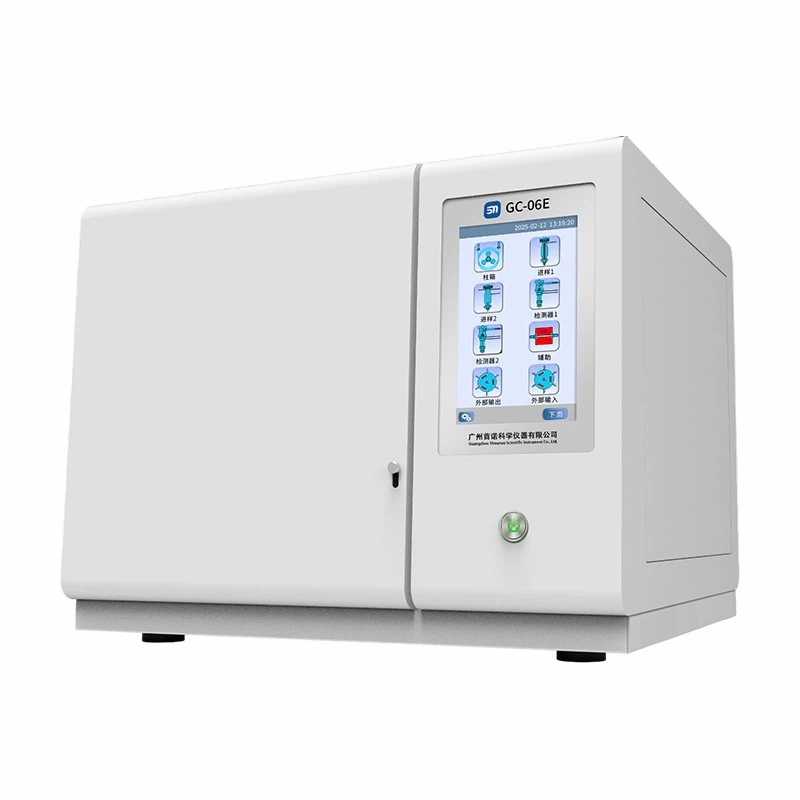

In addition to accurate collection, the fraction collector can help with further analysis. Once the fractions are collected, they can be analyzed separately. This is particularly useful in research and development, where you might want to study the individual components of a mixture in more detail. For example, if you're working on a new drug formulation, you can use the fraction collector to isolate different chemical compounds from a natural extract. Then, you can test each fraction for its biological activity or chemical properties.
Now, let's talk about the practical applications of the fraction collector in different industries. In the pharmaceutical industry, fraction collectors are used in the development and quality control of drugs. During the drug discovery process, researchers need to isolate and purify different compounds from natural sources or chemical reactions. The fraction collector helps them do this efficiently. It allows them to collect pure fractions of the active ingredients, which can then be used for further testing and formulation.
In the food and beverage industry, fraction collectors are used for analyzing the composition of products. For example, they can be used to separate and collect different flavor compounds in a food product. This helps food scientists understand the flavor profile of the product and make improvements if necessary.
In environmental science, fraction collectors are used to analyze pollutants in water, air, and soil samples. By collecting and analyzing different fractions, scientists can identify the specific contaminants and their sources. This information is crucial for developing effective environmental remediation strategies.
When it comes to choosing a fraction collector for your chromatography system, there are a few things to consider. First, you need to think about the type of chromatography you're doing. Different chromatography techniques, such as gas chromatography or liquid chromatography, might require different types of fraction collectors. For GC Machine, you'll need a fraction collector that can handle the high - temperature and volatile nature of the samples.
You also need to consider the volume and number of fractions you need to collect. Some fraction collectors are designed for small - scale applications, while others can handle large - volume collections. Additionally, you should look for features like ease of use, reliability, and compatibility with your existing chromatography equipment.
At our company, we offer a wide range of fraction collectors that are suitable for different chromatography applications. Our fraction collectors are known for their accuracy, reliability, and user - friendly design. Whether you're a small research lab or a large - scale industrial facility, we have a fraction collector that can meet your needs.
If you're in the market for a new fraction collector or any other chromatography equipment, we'd love to hear from you. We can provide you with detailed information about our products, answer any questions you might have, and even offer a demonstration if needed. Contact us to start a conversation about how our chromatography equipment can enhance your work.
In conclusion, the fraction collector is an essential part of chromatography equipment. It plays a vital role in accurately collecting, maintaining, and enabling further analysis of the separated components of a mixture. Its applications span across various industries, making it a valuable tool for researchers, scientists, and quality control professionals. So, if you're looking to take your chromatography work to the next level, consider investing in a high - quality fraction collector.
References
- Snyder, L. R., Kirkland, J. J., & Glajch, J. L. (2010). Practical HPLC Method Development. John Wiley & Sons.
- Poole, C. F. (2003). Chromatography Today. Elsevier.


