

Selecting the right gas chromatography (GC) machine is a crucial decision for laboratories, research institutions, and industries that rely on accurate chemical analysis. As a GC machine supplier, I understand the challenges and considerations that go into this decision. In this blog post, I will guide you through the key factors to consider when choosing a GC machine that meets your specific needs.
Understanding Your Analytical Requirements
The first step in choosing the right GC machine is to clearly define your analytical requirements. Consider the types of samples you will be analyzing, the compounds you need to detect, and the level of sensitivity and accuracy required. For example, if you are analyzing volatile organic compounds (VOCs) in environmental samples, you may need a GC machine with high sensitivity and the ability to detect trace levels of these compounds. On the other hand, if you are analyzing complex mixtures of chemicals, you may need a GC machine with a wide range of separation capabilities.
Sample Types and Compounds
Different GC machines are designed to handle different types of samples and compounds. Some GC machines are optimized for analyzing gases, while others are better suited for analyzing liquids or solids. Consider the physical state of your samples and the types of compounds you need to analyze when choosing a GC machine. For example, if you are analyzing high-boiling-point compounds, you may need a GC machine with a high-temperature oven.
Sensitivity and Detection Limits
The sensitivity of a GC machine refers to its ability to detect small amounts of a compound. The detection limit is the lowest concentration of a compound that can be detected by the GC machine. Consider the sensitivity and detection limits required for your analysis when choosing a GC machine. If you need to detect trace levels of a compound, you may need a GC machine with a high-sensitivity detector, such as a flame ionization detector (FID) or a mass spectrometer (MS).
Separation Capabilities
The separation capabilities of a GC machine refer to its ability to separate different compounds in a sample. The separation is achieved by passing the sample through a column, which contains a stationary phase. The stationary phase interacts with the compounds in the sample, causing them to separate based on their physical and chemical properties. Consider the separation capabilities required for your analysis when choosing a GC machine. If you need to separate complex mixtures of compounds, you may need a GC machine with a high-resolution column.
Instrument Features and Performance
In addition to the analytical requirements, there are several other factors to consider when choosing a GC machine. These factors include the instrument features, performance, and ease of use.

Instrument Features
Modern GC machines come with a variety of features that can enhance the performance and functionality of the instrument. Some of the common features include:
- Automation: Automation features, such as auto-samplers and data acquisition systems, can improve the efficiency and accuracy of the analysis.
- Temperature Control: Precise temperature control is essential for accurate separation and detection of compounds. Look for a GC machine with a high-quality temperature control system.
- Detector Options: Different detectors are available for GC machines, each with its own advantages and disadvantages. Consider the detector options available and choose the one that is best suited for your analysis.
- Software: The software used to control the GC machine can have a significant impact on the ease of use and functionality of the instrument. Look for a GC machine with user-friendly software that offers a variety of features and options.
Instrument Performance
The performance of a GC machine is determined by several factors, including the column efficiency, detector sensitivity, and reproducibility. Consider the performance requirements for your analysis when choosing a GC machine. Look for a GC machine with high column efficiency, good detector sensitivity, and excellent reproducibility.
Ease of Use
The ease of use of a GC machine is an important factor to consider, especially if you are new to gas chromatography. Look for a GC machine with a user-friendly interface and intuitive controls. Consider the training and support options available from the supplier to ensure that you can use the instrument effectively.
Cost and Budget
The cost of a GC machine is an important factor to consider, especially if you are working with a limited budget. The cost of a GC machine can vary depending on the features, performance, and brand. Consider your budget and the features and performance requirements for your analysis when choosing a GC machine. Look for a GC machine that offers the best value for your money.
Supplier Support and Service
The supplier support and service are important factors to consider when choosing a GC machine. Look for a supplier that offers comprehensive support and service, including installation, training, maintenance, and technical support. Consider the reputation of the supplier and the quality of their products and services.
Recommended GC Machines
Based on the factors discussed above, here are some recommended GC machines that may be suitable for your needs:
- GC Analyzer: This GC machine is designed for high-performance analysis of a wide range of compounds. It features a high-sensitivity detector, a high-resolution column, and a user-friendly interface.
- GC-02E Gas Chromatograph: This GC machine is a compact and affordable option for small laboratories and research institutions. It features a simple and easy-to-use interface, a high-sensitivity detector, and a wide range of column options.
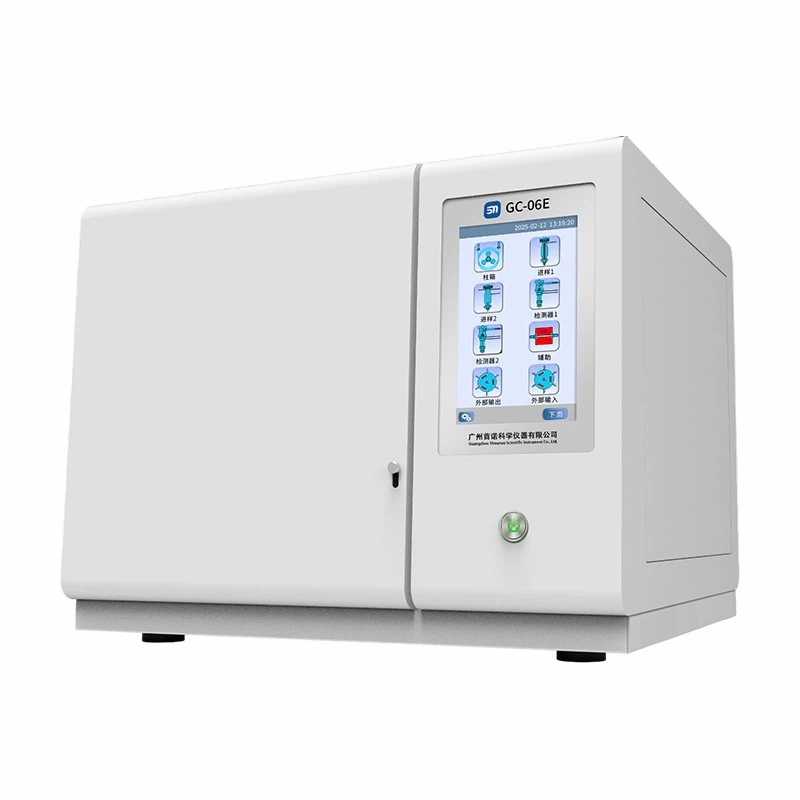
- GC-06E Gas Chromatograph: This GC machine is a high-performance option for large laboratories and industries. It features a high-resolution column, a high-sensitivity detector, and a variety of automation features.
Conclusion
Choosing the right GC machine is a crucial decision that can have a significant impact on the accuracy and efficiency of your analysis. By considering the factors discussed in this blog post, you can choose a GC machine that meets your specific needs and budget. If you have any questions or need further assistance, please do not hesitate to contact us. We are a leading GC machine supplier and can provide you with the support and service you need to make the right decision.
References
- Harris, D. C. (2015). Quantitative Chemical Analysis (9th ed.). W. H. Freeman and Company.
- Skoog, D. A., West, D. M., Holler, F. J., & Crouch, S. R. (2014). Fundamentals of Analytical Chemistry (9th ed.). Cengage Learning.
- McMurry, J. (2012). Organic Chemistry (7th ed.). Brooks/Cole.


