

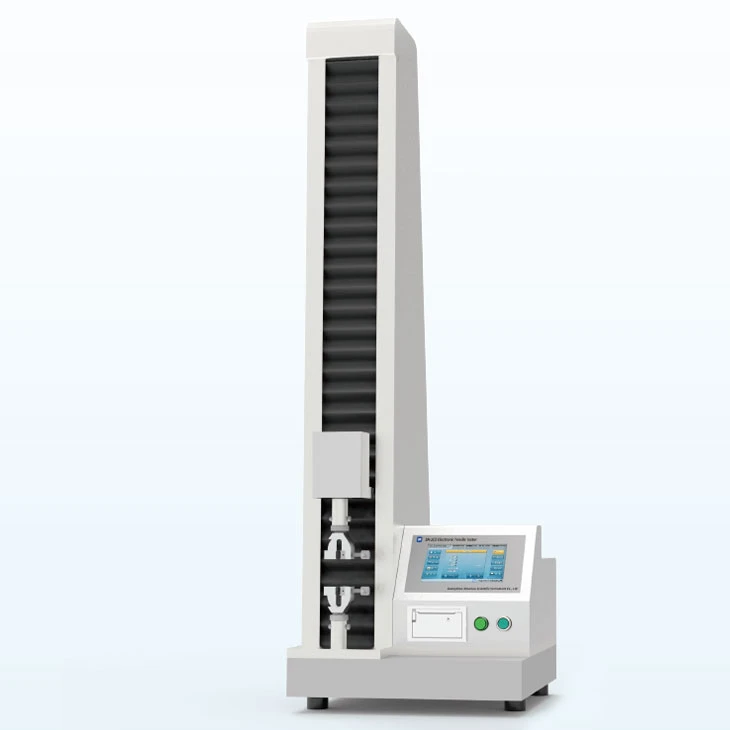
Yo, what's up! I'm a supplier of electronic tensile testers, and today I wanna chat about the materials these bad boys can test. Electronic tensile testers are super versatile machines that play a crucial role in various industries. They're used to measure the strength and deformation properties of different materials under tension. So, let's dive into the wide range of materials that our electronic tensile testers can handle.
Metals
Metals are one of the most common materials tested using electronic tensile testers. Whether it's steel, aluminum, copper, or titanium, these machines can accurately measure the tensile strength, yield strength, and elongation of metal specimens. In the automotive industry, for example, electronic tensile testers are used to test the strength of steel components to ensure they meet safety standards. In the aerospace industry, they're used to test lightweight metals like aluminum and titanium for aircraft parts.
Our SN - 2CE Electronic Tensile Tester is a great choice for testing metals. It has a high - precision load cell and a powerful motor that can handle the high forces required to test metal specimens. The tester also comes with advanced software that allows for accurate data collection and analysis.
Plastics
Plastics are another important group of materials that can be tested using electronic tensile testers. Different types of plastics, such as polyethylene, polypropylene, and PVC, have different mechanical properties. Electronic tensile testers can measure the tensile strength, modulus of elasticity, and elongation at break of plastic samples. This information is crucial for manufacturers to ensure the quality and performance of plastic products.
For testing plastics, our SN - 3E Electronic Tensile Tester is a top - notch option. It has a wide range of test speeds and can be customized to meet the specific requirements of plastic testing. The tester's software can also generate detailed reports on the mechanical properties of the plastic samples.
Textiles
Textile materials, including natural fibers like cotton and wool, and synthetic fibers like polyester and nylon, can be tested using electronic tensile testers. These testers can measure the tensile strength, tear strength, and seam strength of textiles. In the textile industry, this data is used to ensure the durability and quality of fabrics, which is especially important for products like clothing, upholstery, and outdoor gear.
Our SN - 1SE Electronic Tensile Tester is well - suited for textile testing. It has a gentle clamping system that won't damage the delicate textile samples. The tester can also perform a variety of tests quickly and accurately, making it a great asset for textile manufacturers.
Rubber
Rubber is a unique material with high elasticity. Electronic tensile testers can measure the tensile strength, elongation at break, and modulus of rubber samples. This information is essential for the rubber industry, which uses rubber in products such as tires, seals, and gaskets.
When it comes to testing rubber, our electronic tensile testers can provide accurate and reliable results. They can handle the large deformations that rubber undergoes during testing and can measure the mechanical properties precisely.
Composites
Composite materials, which are made by combining two or more different materials, are becoming increasingly popular in various industries. For example, carbon fiber composites are used in the aerospace and automotive industries due to their high strength - to - weight ratio. Electronic tensile testers can measure the tensile properties of composite materials, helping manufacturers understand their performance and optimize their design.
Our electronic tensile testers are equipped with the necessary features to test composites accurately. They can handle the complex stress - strain behavior of composites and provide detailed data on their mechanical properties.
Adhesives
Adhesives are used to bond different materials together. Electronic tensile testers can be used to test the bond strength of adhesives. By applying a tensile force to a bonded specimen, the tester can measure the maximum force the adhesive can withstand before failure. This information is important for ensuring the reliability of adhesive - bonded joints in various applications, such as in the construction and automotive industries.

Paper and Cardboard
In the paper and packaging industry, electronic tensile testers are used to test the strength of paper and cardboard. They can measure the tensile strength, bursting strength, and tear strength of these materials. This helps manufacturers ensure that their paper and cardboard products can withstand the stresses during handling, storage, and transportation.
Wood
Wood is a natural material that is widely used in construction, furniture making, and other industries. Electronic tensile testers can measure the tensile strength of wood along different grain directions. This information is crucial for determining the suitability of wood for different applications and for ensuring the structural integrity of wooden products.
In conclusion, electronic tensile testers are incredibly useful machines that can test a wide variety of materials. Whether you're in the metal, plastic, textile, rubber, composite, adhesive, paper, or wood industry, our electronic tensile testers can provide you with accurate and reliable data on the mechanical properties of your materials.
If you're interested in purchasing an electronic tensile tester for your business, don't hesitate to reach out. We can help you choose the right tester based on your specific testing needs. Let's have a chat and see how we can work together to improve the quality and performance of your products.
References
- ASTM International Standards for Tensile Testing
- ISO Standards for Material Testing
- Technical Documentation of Electronic Tensile Testers


