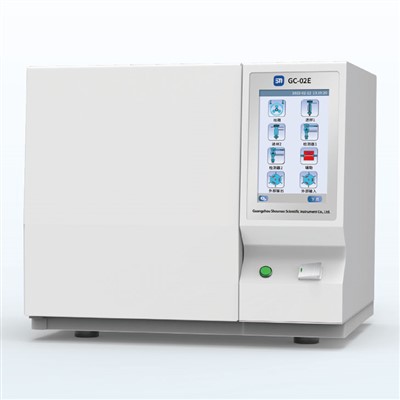
As a supplier of gas transmittance meters, I've had the privilege of witnessing the crucial role these devices play in various industries. Gas transmittance meters are essential tools for measuring the rate at which gases permeate through materials. This measurement is vital in industries such as packaging, automotive, and electronics, where the ability to control gas permeability can significantly impact product quality and performance. In this blog post, I'll discuss the key performance indicators of a high-quality Gas transmittance meter.
Accuracy
Accuracy is perhaps the most critical performance indicator of a gas transmittance meter. It refers to how closely the measured value of gas permeability matches the true value. A high level of accuracy is essential because even small errors in gas permeability measurements can have significant consequences. For example, in the food packaging industry, inaccurate measurements could lead to products spoiling prematurely due to excessive gas ingress.
To achieve high accuracy, a gas transmittance meter should be calibrated regularly using certified reference materials. The calibration process ensures that the meter is providing reliable and consistent results. Additionally, the design of the meter should minimize sources of error, such as temperature fluctuations and pressure differentials. Advanced sensors and measurement techniques can also contribute to improved accuracy.
Precision
Precision is related to accuracy but focuses on the repeatability of measurements. A precise gas transmittance meter will produce consistent results when measuring the same sample multiple times. High precision is important because it allows for reliable data analysis and comparison between different samples.
To ensure precision, the meter should have a stable measurement environment. This includes maintaining a constant temperature and pressure throughout the measurement process. The internal components of the meter, such as the flow sensors and gas detectors, should also be of high quality and have low noise levels. Regular maintenance and calibration can further improve the precision of the meter.


Sensitivity
Sensitivity refers to the ability of the gas transmittance meter to detect small changes in gas permeability. A highly sensitive meter can measure very low gas transmission rates, which is crucial in applications where even trace amounts of gas can affect product performance. For example, in the pharmaceutical industry, sensitive gas transmittance meters are used to ensure the integrity of drug packaging and prevent the ingress of oxygen and moisture.
The sensitivity of a gas transmittance meter is determined by several factors, including the type of gas detector used and the design of the measurement chamber. Advanced gas detectors, such as infrared sensors and electrochemical sensors, can provide high sensitivity and selectivity. The measurement chamber should be designed to minimize background noise and interference, allowing for accurate detection of small gas fluxes.
Measurement Range
The measurement range of a gas transmittance meter refers to the minimum and maximum gas transmission rates that it can measure. A wide measurement range is desirable because it allows the meter to be used for a variety of applications. For example, in the packaging industry, different types of materials may have very different gas permeability characteristics, from highly permeable films to low-permeability barriers. A meter with a wide measurement range can handle both types of materials without the need for multiple instruments.
When selecting a gas transmittance meter, it's important to consider the specific measurement requirements of your application. Make sure that the meter's measurement range is suitable for the materials and gases you will be testing. Some meters offer adjustable measurement ranges, which can provide additional flexibility.
Response Time
Response time is the time it takes for the gas transmittance meter to provide a stable measurement after a change in the gas permeability of the sample. A fast response time is important in applications where real-time monitoring is required. For example, in the production of flexible packaging, a fast response time allows for immediate feedback on the quality of the packaging material, enabling quick adjustments to the production process if necessary.
The response time of a gas transmittance meter is influenced by several factors, including the design of the measurement chamber, the type of gas detector, and the flow rate of the gas. Meters with optimized chamber designs and high-speed gas detectors can provide fast response times. Additionally, maintaining a consistent gas flow rate can help to reduce response times.
Stability
Stability refers to the ability of the gas transmittance meter to maintain its performance over time. A stable meter will provide consistent and reliable measurements even after extended periods of use. This is important because it reduces the need for frequent calibration and maintenance, saving time and money.
To ensure stability, the meter should be constructed from high-quality materials that are resistant to corrosion and wear. The internal components should be well-designed and protected from environmental factors such as dust, moisture, and temperature changes. Regular maintenance, including cleaning and calibration, can also help to maintain the stability of the meter.
Ease of Use
Ease of use is an important consideration for any piece of equipment, including gas transmittance meters. A user-friendly meter can reduce the training time required for operators and minimize the risk of errors during measurement. Features such as intuitive interfaces, clear displays, and simple operation procedures can make the meter easier to use.
In addition to the physical design of the meter, the software associated with it should also be easy to use. The software should provide clear instructions for sample preparation, measurement setup, and data analysis. It should also allow for easy storage and retrieval of measurement data.
Compatibility
Compatibility refers to the ability of the gas transmittance meter to work with different types of samples and gases. A high-quality meter should be able to measure the gas permeability of a wide range of materials, including plastics, metals, and composites. It should also be compatible with different gases, such as oxygen, nitrogen, carbon dioxide, and water vapor.
When selecting a gas transmittance meter, it's important to consider the specific materials and gases you will be testing. Make sure that the meter is designed to handle these materials and gases and that it provides accurate and reliable measurements. Some meters offer interchangeable sensors and measurement chambers, which can provide additional compatibility.
Data Management
Data management is an important aspect of gas transmittance measurement. A high-quality meter should provide a convenient way to store, analyze, and report measurement data. This includes features such as data logging, statistical analysis, and the ability to generate reports in various formats.
The software associated with the meter should allow for easy data transfer to external devices, such as computers or printers. It should also provide tools for data analysis, such as curve fitting and trend analysis. Additionally, the meter should be able to store a large amount of data, allowing for long-term monitoring and analysis.
Cost-Effectiveness
Cost-effectiveness is an important consideration when selecting a gas transmittance meter. While it's important to invest in a high-quality meter that meets your performance requirements, you also need to consider the cost of the meter and its associated operating expenses.
When evaluating the cost-effectiveness of a gas transmittance meter, consider factors such as the purchase price, the cost of calibration and maintenance, and the energy consumption of the meter. A meter with a lower purchase price may not necessarily be the most cost-effective option if it requires frequent calibration and maintenance or has high energy consumption.
In conclusion, a high-quality gas transmittance meter should have excellent accuracy, precision, sensitivity, and a wide measurement range. It should also have a fast response time, good stability, be easy to use, compatible with different samples and gases, and provide effective data management. If you're in the market for a gas transmittance meter, consider our Three Chamber Gas Permeability Tester and Gas Permeability Testing Instrument. These products are designed to meet the highest performance standards and can provide reliable and accurate gas permeability measurements for a variety of applications.
If you have any questions or would like to discuss your specific requirements, please feel free to contact us for a procurement negotiation. We look forward to working with you to find the best gas transmittance solution for your needs.
References
- ASTM D3985 - Standard Test Method for Oxygen Gas Transmission Rate Through Plastic Film and Sheeting Using a Coulometric Sensor.
- ISO 15105 - 1:2007 - Plastics - Determination of gas transmission rate of films and thin sheets - Part 1: Differential pressure method.
- DIN 53380 - Testing of plastics; determination of the gas transmission rate; general fundamentals.