

Hey there! As a supplier of gas transmittance meters, I often get asked about how these nifty devices measure gas in a high-pressure environment. It's a pretty interesting topic, and I'm stoked to share all the deets with you.
First off, let's talk about what a gas transmittance meter actually does. In a nutshell, it measures how much gas can pass through a material. This is super important in a whole bunch of industries, like packaging, automotive, and even aerospace. Knowing how well a material can block gas can help companies make better products and ensure they meet all the necessary standards.
Now, when it comes to high-pressure environments, things get a little more complicated. But don't worry, our gas transmittance meters are up to the challenge. So, how do they work?
The Basics of Gas Measurement
Before we dive into the high-pressure stuff, let's quickly go over the basic principles of gas measurement. Most gas transmittance meters use a technique called differential pressure measurement. Here's how it works:
You've got a sample of the material you want to test, and it's placed between two chambers. One chamber is filled with the gas you're interested in measuring, and the other is either a vacuum or filled with a different gas. When the gas in the first chamber tries to pass through the material and into the second chamber, it creates a pressure difference between the two chambers. The gas transmittance meter measures this pressure difference and uses it to calculate the gas transmission rate.
Measuring Gas in a High-Pressure Environment
In a high-pressure environment, the main challenge is dealing with the increased force of the gas. The higher the pressure, the more gas molecules there are pushing against the material, which can make it harder to accurately measure the gas transmission rate.
To overcome this challenge, our gas transmittance meters are designed with special features. For example, they have high-pressure-resistant chambers that can withstand the increased force of the gas without leaking. These chambers are made from strong materials like stainless steel and are carefully sealed to ensure a tight fit.
Another important feature is the pressure control system. Our meters are equipped with advanced sensors and valves that can precisely control the pressure in the chambers. This allows us to maintain a stable pressure difference between the two chambers, even in a high-pressure environment.
The Role of Sensors
Sensors play a crucial role in the measurement process. They're responsible for detecting the pressure difference between the two chambers and converting it into an electrical signal that the meter can understand.
In a high-pressure environment, the sensors need to be able to handle the increased pressure without getting damaged. That's why we use high-quality sensors that are specifically designed for high-pressure applications. These sensors are highly accurate and can provide reliable measurements even under extreme conditions.
Calibration and Accuracy
To ensure accurate measurements, it's important to calibrate the gas transmittance meter regularly. Calibration involves comparing the meter's readings to a known standard and making any necessary adjustments.
In a high-pressure environment, calibration can be a bit more challenging. That's because the increased pressure can affect the performance of the sensors and other components of the meter. To address this, we have a rigorous calibration process that takes into account the effects of high pressure.
We use specialized calibration equipment and techniques to ensure that our meters are accurate and reliable, even in the most demanding high-pressure applications. This helps our customers make informed decisions based on the data they get from our meters.
Applications in High-Pressure Industries
Our gas transmittance meters are used in a wide range of high-pressure industries. Here are a few examples:
- Oil and Gas: In the oil and gas industry, gas transmittance meters are used to test the gas barrier properties of pipelines, storage tanks, and other equipment. This helps prevent gas leaks and ensures the safety and efficiency of the operations.
- Aerospace: In the aerospace industry, gas transmittance meters are used to test the gas permeability of materials used in aircraft cabins, fuel tanks, and other critical components. This helps ensure the safety and comfort of passengers and crew.
- Automotive: In the automotive industry, gas transmittance meters are used to test the gas barrier properties of automotive components, such as fuel lines, airbags, and tires. This helps improve the performance and safety of vehicles.
Why Choose Our Gas Transmittance Meters
If you're in the market for a gas transmittance meter for high-pressure applications, there are a few reasons why you should choose our products.
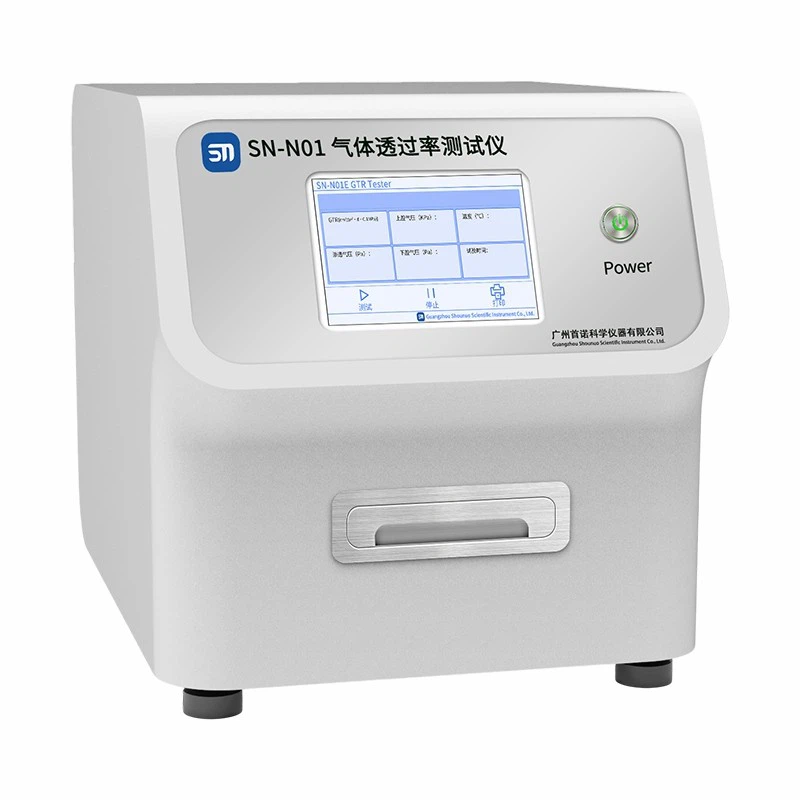
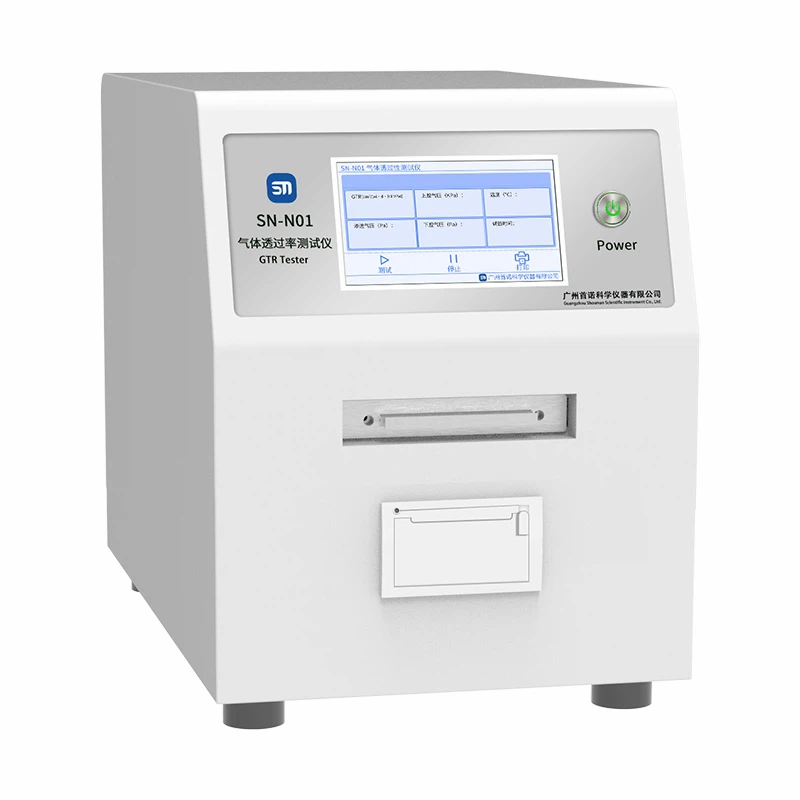
First of all, our meters are built to last. They're made from high-quality materials and are designed to withstand the rigors of high-pressure environments. This means you can count on them to provide accurate and reliable measurements for years to come.
Second, our meters are easy to use. They come with user-friendly interfaces and intuitive controls that make it simple to operate them, even if you're not a technical expert.
Finally, we offer excellent customer support. Our team of experts is always available to answer your questions, provide technical assistance, and help you get the most out of your gas transmittance meter.
Explore Our Products
If you're interested in learning more about our gas transmittance meters, I encourage you to check out our website. We have a wide range of products to choose from, including the Gas Permeability Analyzer, Gas Transmission Rate Tester, and Gas Barrier Testing Equipment.
Whether you're looking for a meter for a specific application or just want to learn more about gas measurement technology, we've got you covered.
Contact Us for a Quote
If you're ready to take the next step and purchase a gas transmittance meter, I'd love to hear from you. You can contact us to discuss your specific needs and get a quote. Our team will work with you to find the best solution for your application and budget.
So, what are you waiting for? Let's start measuring gas in high-pressure environments like a pro!
References
- ASTM D1434 - Standard Test Method for Determining Gas Permeability Characteristics of Plastic Film and Sheeting
- ISO 15105 - Plastics -- Determination of gas-transmission rate of films and thin sheets
- DIN 53380 - Testing of plastics; determination of the gas transmission rate of plastic films and sheets


